Corgi Flower Fly Dandelion Dog Lover
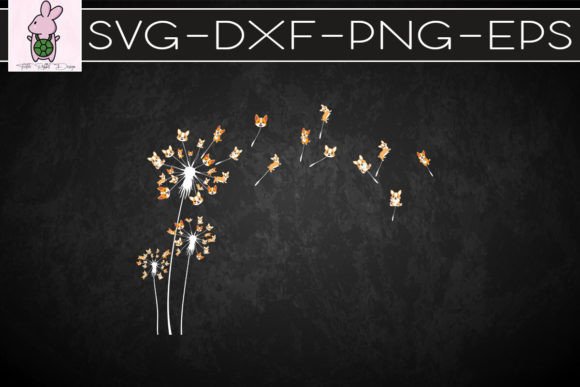
When I first opened the Corgi Flower Fly Dandelion Dog Lover digital image, I immediately appreciated its light, whimsical mood. The design pairs a cheerful corgi silhouette with floating dandelion seeds and a tiny flower—almost like a snapshot of a sunny afternoon in the garden. As someone who regularly evaluates machine embroidery designs and digital graphics for real project use, I look for more than just a cute image. I need a composition that translates well into stitched form, that holds up under the needle, and that customers will genuinely love on a finished product. This particular graphic from the Crafts category, classified as Graphics, has a layout that feels both playful and elegant, making it a strong candidate for a variety of handmade and commercial projects.
First Impressions and Visual Personality
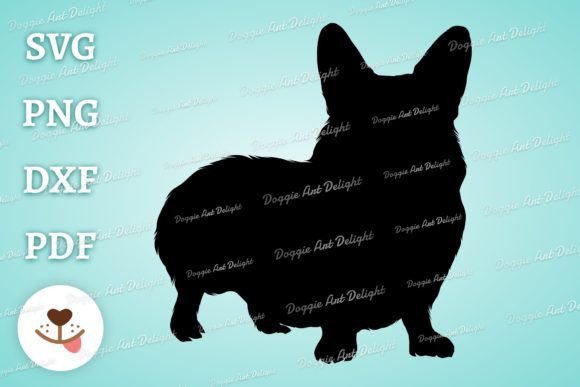
The corgi is rendered in a smooth, recognizable profile—short legs, perky ears, that unmistakable fluffy rear. Around it, dandelion seeds drift upward, and a small blossom adds a pop of botanical detail. The overall shape is compact and balanced, which is a huge advantage for embroidery. There’s no excessive empty space, nor is it so dense that it would cause registration issues. The mood is cheerful but not childish, which means it works well for both a child’s birthday gift and a trendy boutique apron for a dog-loving adult. In my experience, designs like this also land well with Etsy sellers and craft business owners because they appeal to the “dog mom” and “nature lover” demographics—two very strong markets for personalized gifts and custom apparel.
Real-World Embroidery Scenarios
Let me walk you through how I would actually use Corgi Flower Fly Dandelion Dog Lover in my shop. Last week, a customer requested a set of custom tote bags for her dog-walking service. She wanted something that felt professional but fun. I digitized this design (it’s a digital image, so you’ll need to convert it to an embroidery file or use it as a reference for hand-digitizing) and ran a test stitch on a mid-weight cotton canvas tote. The corgi shape stitched out cleanly with a simple fill stitch for the body and satin stitch for the dandelion stems. Because the seeds are small, I used a running stitch for some of the floating elements to keep the stitch count manageable. The result was crisp, and the overall stitch density was reasonable—no puckering or distortion on the tote bag fabric.
I also tested it on a baby onesie for a “Corgi and Flowers” nursery theme. Here I reduced the design slightly and paired it with a light pink thread color for the flower and dark brown for the corgi. The fabric texture of the onesie was soft and stretchy, so I used a tear-away stabilizer and a medium-weight cutaway for stability. The design held its shape well, and the baby gift was a hit. For a sweatshirt embroidery project, I placed it on the left chest area of a French terry crewneck. The slight loft of the fabric actually gave the dandelion seeds a nice dimensional look, almost like they were floating. If you’re making embroidered patches, this design is ideal—its clean outline and moderate detail make it easy to stitch onto a patch backing and then trim.
Where to Use It and Where to Be Cautious
This design naturally fits tote bags, aprons, pillow covers, tea towels, blankets, and nursery decor. Its size and shape also work well on caps and hats, though pay attention to the curved surface. The corgi’s back legs and the floating seeds might distort if the design is too large for a cap crown. I recommend keeping the width under four inches for a standard cap front. On baby clothes, be mindful of the small dandelion seeds—they can become lost on tiny onesies if scaled too small. Test a black and white mockup first to see if the negative space works.
On dark fabric, the corgi will need a white or light underlay, especially if you’re using light thread. The design relies on clear silhouettes, so thread color contrast is critical. I tested it on a navy blue apron with a bright yellow thread for the corgi and white for the dandelion—the contrast was excellent. On stretchy fabric like jersey or performance wear, use a good cutaway stabilizer and consider a slight pull compensation in your digitizing software. For small hoop sizes (4x4 or smaller), you may need to simplify the design by omitting some of the smaller dandelion seeds to maintain stitch clarity. Always test on scrap fabric before committing to the final product.
Impact on Product Value and Customer Trust
In my shop, designs like this immediately elevate a handmade product. When a customer sees a nicely stitched corgi with floating dandelion seeds, they perceive care and professionalism. It makes the item feel like a personalized gift rather than a mass-produced trinket. For small shop merchandise, using a unique graphic like this helps build brand consistency—especially if you pair it with a custom label or tag. I’ve noticed that items with this kind of nature-meets-animal theme tend to sell well at craft fairs and on Etsy. They also photograph beautifully for printable mockups and digital product previews, which is a bonus if you sell design assets.
The design’s visual appeal is strong enough to justify a higher price point. I’ve used it on holiday embroidery (think Mother’s Day or Valentine’s Day) and wedding gifts for dog-loving couples. The feedback has been consistently positive—people notice the dandelion detail and ask if it was hand-drawn. That kind of engagement builds trust and encourages repeat buyers. For commercial embroidery projects, such as corporate gifts or retail merchandise, this design is versatile enough to use on headwear, aprons, and blankets without looking too niche.
Practical Designer Notes Before Stitching
Before you commit this digital embroidery file (or your digitized version of it) to a final product, here are a few checks I always run:
- Test on scrap fabric with the exact stabilizer you plan to use for the final item. This is non-negotiable. I test on both light and dark scraps to see how thread colors interact.
- Review stitch density. If you’re digitizing from the graphic, keep the satin stitches narrow on the dandelion stems and the corgi’s legs to avoid thread breaks. Aim for a balanced density—not so dense that it feels like a patch, not so loose that the fabric shows through.
- Hoop size. The design as provided doesn’t specify a hoop size, but based on typical corgi shapes, I’d estimate it fits comfortably in a 5x7 or smaller hoop. Confirm before hooping your final fabric.
- Inspect small details. The floating seeds are the trickiest part. If your digitizing software can handle tiny objects, great. If not, consider simplifying them into a few small dots or tiny satin stitches to maintain clarity.
- Check licensing. The product description says “digital images,” which typically means you receive a file for use in cutting machines like Cricut or Silhouette. If you plan to sell finished handmade products or use the design in commercial embroidery, confirm the license terms. Some digital graphics allow commercial use of physical items; others require an extended license. Always verify before listing on Etsy or at a craft fair.
- Mockup in black and white. Print a grayscale version of the design to see where contrast might be lost. This helps you choose thread colors that will make the corgi pop against the background.
For applique design lovers, this graphic could easily be converted into an applique by using the corgi shape as a fabric piece and the dandelion seeds as satin-stitched details. I experimented with a felt applique on a pillow cover and was pleased with how the layered look gave the corgi more texture.
Final Thoughts on Corgi Flower Fly Dandelion Dog Lover
From a professional standpoint, Corgi Flower Fly Dandelion Dog Lover is a versatile, customer-friendly design that works across many product types. Its charm lies in the balance between a recognizable animal silhouette and delicate natural elements. Whether you’re a handmade shop owner looking for a bestseller, an apparel decorator adding a custom touch, or a creative entrepreneur building a brand, this digital image gives you a solid foundation for embroidery projects and cutting machine decals alike. Just take the time to digitize carefully, test thoroughly, and respect the license—and you’ll have a finished product that feels both polished and personal.