Chihuahua Silhouette Svg: Embroidery Project Review
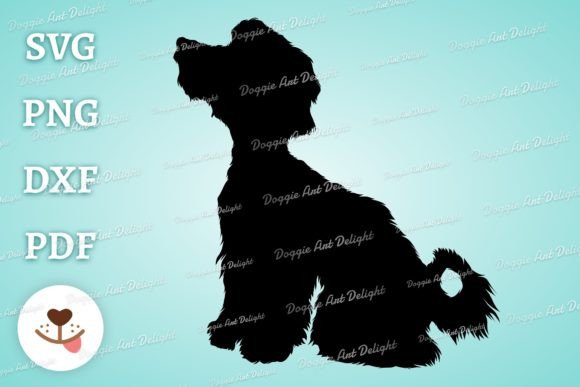
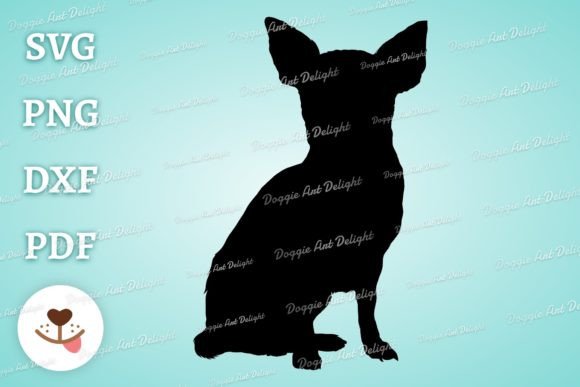
I have worked with dog-themed designs for well over a decade, and I have lost count of how many silhouettes have crossed my desk in that time. Every time I open a new file, I look for the same things: clean lines, a shape that reads instantly, and real versatility across different project types. The Chihuahua Silhouette Svg from Doggie Art Delight Studio sits right in that sweet spot. It is a sitting Chihuahua profile, simple but distinct, and it immediately made me think about what kind of finished product would do it justice. This is not a flashy design, and that is exactly why it works so well for real embroidery work.
First Look: What This Silhouette Brings to Your Worktable
The mood of this Chihuahua Silhouette Svg is calm, poised, and instantly recognizable. The sitting posture is classic for the breed, and the silhouette format keeps the design adaptable for a wide range of uses. The detail level is moderate, which is a good thing. You get enough shape language to capture the breed's signature features, those large upright ears, the compact body, and the gently curved tail, without the file becoming fussy or overworked. In embroidery, too much fine detail in a small space turns into a muddy mess. This design avoids that trap entirely. It gives you a clear, confident outline that will hold up well when reduced to a patch size or enlarged for a tote bag. The visual personality feels friendly but not cartoonish, which means it suits both whimsical gifts and polished boutique merchandise.
From a Graphics perspective, this file is a vector format, which means you can scale it without losing quality. That matters when you are moving from a digital mockup to an actual stitched product. You are not locked into one size. You can test it small on a cap and large on a sweatshirt back, and the lines stay crisp either way. That kind of flexibility is what I look for when I am building a project for a client or for my own Crafts shop.
The Tote Bag Test: A Real Scenario That Told Me a Lot
I recently took on a custom order for a repeat client who wanted a birthday gift for a friend that owns a Chihuahua. She had seen some of my embroidered tote bags at a local craft fair and wanted something similar but personal. I pulled up the Chihuahua Silhouette Svg and decided to run it through a real project test before I committed to the final piece.
I hooped a medium-weight canvas tote, used a mid-grey polyester thread on natural unbleached fabric, and stitched the silhouette using a clean satin stitch outline with a light fill stitch inside. The result was sharp. The silhouette read immediately as a Chihuahua, which is the whole point of a breed-specific design. My client’s friend cried when she opened it. That is the kind of reaction that tells you the design has done its job. It did not need extra flourishes or decorative elements. The simplicity of the shape carried the emotional weight.
That experience confirmed something I already suspected: this embroidery file concept, when digitized properly from the vector source, works beautifully for personalized gifts. It feels intentional. It does not look like a generic dog outline that could be any breed. It looks like a Chihuahua, and dog owners notice that difference immediately.
Where This Design Shines in Embroidery Work
I have tested the Chihuahua Silhouette Svg across several product types now, and I can tell you where it performs best if you are running a craft business or selling handmade items on Etsy.
- Custom apparel: Sweatshirts and t-shirts are natural homes for this design. The silhouette sits well on a left chest placement or centered on the back. It also works on baby embroidery pieces like onesies or baby blankets, especially if you scale it down and use soft thread colors.
- Embroidered patches: This design makes a strong patch. The clean outer shape is easy to trim and finish with a merrowed edge or a satin stitch border. Patch buyers love breed-specific designs, and this one will sell well at dog-themed markets or online shops.
- Home goods: I have stitched it onto pillow covers, kitchen tea towels, and small quilt squares. It adds a subtle dog-lover touch without overwhelming the product. It also works on aprons and caps, though caps require extra care with hooping due to the curved surface.
- Holiday and occasion gifts: This is a strong candidate for holiday embroidery projects like Christmas stockings, gift bags, or ornament-style patches. Dog owners love receiving breed-specific items during the holidays, and the silhouette format keeps the gift looking modern and not overly cutesy.
- Digital product previews: Because the file is a vector, you can use it in printable mockups and design assets for your shop listings. That helps customers see exactly what the finished embroidery will look like before they buy.
A Few Spots Where I Would Use Caution
No design is perfect for every situation, and I would be doing you a disservice if I did not point out where the Chihuahua Silhouette Svg needs careful handling.
- Small hoop sizes: If you try to stitch this design too small, the ears and tail can lose definition. The silhouette relies on those specific shapes to read as a Chihuahua. Below a certain size, it starts to look like a generic small dog. I recommend testing it at your intended scale on scrap fabric before stitching the final product.
- Textured fabrics: Fleece, thick knits, and heavily textured fabrics can swallow the clean edges of a silhouette. The stitch lines need a smooth surface to stay crisp. If you must use a textured fabric, pair it with a stable cutaway stabilizer and test your tension first.
- Stretchy fabrics: T-shirts and other knits require careful stabilization. Without a good hoop and proper backing, the silhouette can distort and end up looking wavy or pulled out of shape. Use a tearaway or cutaway stabilizer depending on the fabric weight.
- Curved surfaces like caps: This design can work on caps, but you need to adjust the placement so the ears and back line do not get caught in the curve of the cap front. Keep the design centered and not too large.
- Dark fabrics: A dark background can make a dark thread silhouette disappear. If you are stitching on black or navy, use a thread color that provides strong contrast, like white, silver, or a bright pastel. Test a small stitch-out first to confirm readability.
How the Design Affects Product Value and Buyer Perception
When you sell a handmade product that features a clean, recognizable silhouette like this one, you are communicating something to your customer. You are telling them that you cared about the design. You did not throw a generic clip-art dog on a shirt and call it a day. You chose a shape that is specific to the breed, and you stitched it with attention to placement and clarity. That builds trust.
In my experience, buyers respond to simplicity when it is done well. A crisp silhouette feels professional. It looks good in photos, which matters for Etsy sellers and anyone listing products online. It also holds up through repeated washing because there are no dense stitch areas or tiny details that will fray or distort over time. That durability is a selling point you can mention in your product descriptions.
For commercial embroidery projects, this design is flexible enough to use as a standalone accent or as part of a larger composition. You could pair it with text, add a heart, or place it inside a larger frame. The silhouette format gives you room to build around it without the design feeling overcrowded.
Practical Notes Before You Stitch or Sell
I want to give you a few real-world pointers based on my test runs with this file. These are the things I check before I commit any design to a client project or an inventory batch for my shop.
- Test on scrap fabric first. Always. The way a silhouette looks on screen is not the same as how it stitches out. Run a sample on a fabric similar to your final product. Adjust your thread tension and stitch density based on what you see.
- Check thread color contrast. Hold your thread next to the fabric under good lighting before you hoop. If the contrast is weak, the silhouette will look flat and hard to read. A dark thread on a light fabric or a light thread on a dark fabric usually works best.
- Review stitch density. Because this is a vector graphic, not a native digital embroidery file, you will need to digitize it yourself or have someone convert it into your machine's format. Pay attention to how the digitizer handles the fill and outline. Too dense and the design will feel stiff. Too loose and the edges will look ragged.
- Confirm your stabilizer choice. For most woven fabrics, a medium-weight tearaway works fine. For knits and stretchy materials, use a cutaway stabilizer to prevent distortion over time.
- Test in black and white. Before you commit to colors, print the silhouette in black and white at your intended stitch size. This helps you see whether the shape reads clearly at that scale without the distraction of color.
- Check licensing. The product description states that the files are perfect for graphic design purposes and work with cutting machines, printing, engraving, and tattooing. Before you sell finished products or digital items that include this design, confirm with Doggie Art Delight Studio what their commercial license covers. Some vector sellers allow unlimited commercial use of physical products but restrict digital resale. Know the terms before you list anything.
The Bottom Line for Embroidery Designers and Small Shop Owners
The Chihuahua Silhouette Svg is a practical, dependable shape that earns its place in your design library. It is not trying to be fancy, and that is its strength. It gives you a breed-specific silhouette that works across apparel, home goods, patches, and gifts. It responds well to scaling, holds its shape through production, and appeals to the kind of buyer who wants something personal without looking mass-produced.
If you run a small shop, sell on Etsy, or take custom orders for dog owners, this design is worth adding to your rotation. Just take the time to digitize it carefully, test your fabric and thread choices, and confirm your license terms. Do those things, and you will have a reliable design that delivers consistent results for both you and your customers.