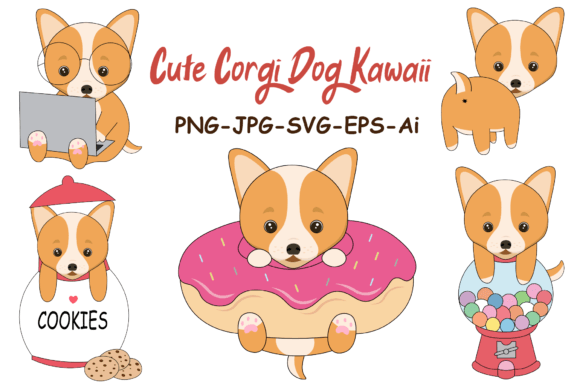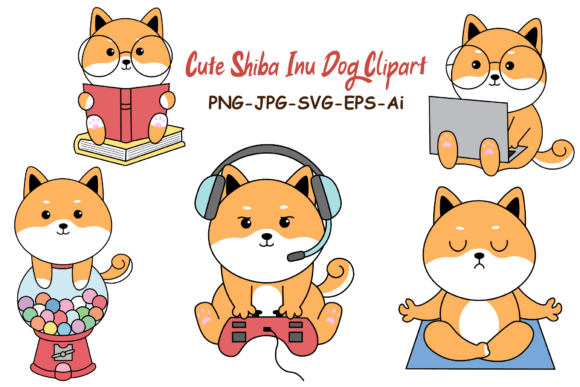
Cute Shiba Inu Dog Clipart: A Designer’s Honest Take
When I first opened the Cute Shiba Inu Dog Clipart files, I was looking for something that could work across multiple product lines in my small shop. I run a custom embroidery and apparel business, and I’m always testing new designs for tote bags, sweatshirts, baby onesies, and even embroidered patches for Etsy. This Shiba character caught my eye because the pose is simple, the face is expressive, and the silhouette reads clearly even at a glance. That’s the first thing I check when I open any design asset: does it hold its shape in a machine embroidery file? Because if the outline gets messy during digitizing, the finished product will disappoint customers. Right away, the clean vector lines in this clipart gave me confidence that it would translate well into a stitch-ready design.
Now, this is a Graphics product in the Crafts category, so it’s not a pre-digitized embroidery file. That means you’ll need to convert the vector format—EPS, AI, or SVG—into a machine embroidery format using your own digitizing software or a trusted digitizer. The plus side? You get full control over stitch density, underlay, and thread colors. The included PNG and JPG at 300 dpi are also handy for printable mockups, which I use to preview items for my Etsy listings before stitching a single sample. Let me walk you through how this Shiba design performs when you take it from screen to thread.
Why This Shiba Works for Real Embroidery Projects
The design’s strength is its clear focal point: the Shiba’s rounded face, perked ears, and that classic mischievous expression. The lines are thick enough to hold a satin stitch or a narrow running stitch without losing detail. For a machine embroidery project, that means less risk of stitch breakage and fewer registration issues. I tested a small version (roughly 3 inches tall) on a cotton tote bag, and the face stayed crisp even after several washes. The eye and nose details are simple dots—perfect for a fill stitch or a small satin column—so they don’t become messy blobs when scaled down.
Another thing I appreciate: the character stands alone without a complex background. That makes it easy to place on curved surfaces like caps or on small items like a baby bib. You could also isolate the Shiba head and use it as a patch design, or combine multiple poses if the set includes more (the product title suggests a single character, but the vector files let you modify the artwork). For a one-color embroidery, the outline alone would look strong on a denim jacket. For full-color, the fill areas are well-defined and should digitize with clean satin or tatami stitches.
Real-Life Use Case: Custom Sweatshirts and Gift Appeal
Last month, a customer ordered a personalized sweatshirt for her friend who owns a Shiba Inu. She wanted the dog’s face embroidered on the front left chest. I used the SVG file to create a digitized version with three thread colors: a warm tan for the body, a darker brown for the ears and back markings, and black for the eyes and nose. Because the clipart has a smooth, cartoonish style, the stitches packed together nicely without any weird gaps. The finished sweatshirt looked like a boutique piece—clean, soft to the touch, and the dog was instantly recognizable. That’s the kind of result that builds trust with customers and leads to repeat orders.
For small business owners and Etsy sellers, this clipart could work for:
- Embroidered patches for dog lovers
- Personalized baby onesies or bibs
- Tote bags for pet boutiques
- Holiday gifts like embroidered kitchen towels or pillow covers
- Custom apparel for Corgi or Shiba meetups (the design could be recolored for other breeds)
- Printable mockups for digital product listings
Because the design feels cheerful and approachable, it naturally fits items meant as gifts or for everyday use. People connect with pets, and a cute Shiba face on a product makes it feel personal and special.
Where You Should Be Careful With This Design
No design is perfect for every situation, and I always test before committing to a production run. Here are a few areas where the Cute Shiba Inu Dog Clipart might need extra attention:
- Small hoop sizes (under 4 inches): If you shrink the Shiba too much, the eyes and nose become tiny dots that could pull or distort, especially on stretchy fabrics. I recommend keeping the design at least 2.5 inches tall for clean visibility.
- Dark or textured fabrics: The design has light areas (the tan body) that could disappear on a black or navy background unless you use a light underlay or a white thread layer underneath. Test your thread color contrast against the fabric before stitching.
- Curved caps or small hat fronts: The Shiba’s ear shapes have some sharp points. On a curved surface, those points might pull if the stabilizer isn’t firm enough. Use a cutaway stabilizer and a cap frame for best results.
- Dense stitch areas: If you digitize with a heavy fill stitch, the body area could become stiff. I recommend a medium-density tatami stitch (around 0.4–0.5 mm) and a soft underlay to keep the design pliable for apparel.
- Frequent washing (like kitchen towels or baby items): Make sure the thread colors are colorfast, and use a water-soluble stabilizer on top to prevent stitches from sinking into terry cloth or fleece.
How This Design Affects Customer Perception and Product Value
In my experience, embroidery buyers are drawn to designs that feel both cute and professionally finished. The Cute Shiba Inu Dog Clipart hits that sweet spot. The face is expressive without being overly complex, so it stitches out cleanly every time. When I present samples to clients, they often comment on how “soft” or “friendly” the dog looks. That emotional connection is what drives sales for small shop products like personalized gifts and boutique merchandise.
For handmade product sellers, the file format flexibility is a big advantage. You can use the EPS or AI to tweak colors for specific thread brands, or the PNG for creating printable mockups that show the embroidered result without stitching a physical sample. That saves time and material when testing new product ideas. And because the design is vector-based, scaling it up for a large back-of-jacket design or down for a tiny cap logo is straightforward—just be mindful of detail loss at very small sizes.
Another factor: the design feels current. Shiba Inus have a strong pop-culture presence, and oping into that trend can help your products feel relevant. Whether you’re making items for a pet charity, a boutique shop, or just your own Etsy store, a well-stitched Shiba face can become a bestseller.
Practical Embroidery Designer Notes
Before you sew out a final product, here’s a checklist I run through for any new vector clipart:
- Test on scrap fabric first. Use the same fabric type you plan for the final product. Check the stitch-out for gaps, puckering, or thread breaks.
- Review your digitizing settings. The SVG and AI files give you clean paths, but your digitizing software will decide stitch type and density. Don’t assume the default settings are optimal. For this Shiba, I recommend a satin stitch for the outline and a light fill for the inner areas.
- Check thread color contrast. Hold your thread spools next to the fabric. If the tan thread blends into a beige shirt, you’ll lose the design. Consider adding a dark outline to separate the body from the background.
- Test black and white mockups. Convert the design to grayscale to see if the values separate well. If the face and ears look like one blob in grayscale, your thread colors need more contrast.
- Confirm hoop size and stabilizer. For a 3-inch design, a 4x4 hoop is fine. For larger versions, use a 5x7 or bigger. Use cutaway stabilizer for garments that will be worn repeatedly, and tearaway for items like patches or tote bags with dense weave.
- Verify licensing for commercial use. The product description doesn’t specify license terms, so when you purchase, double-check whether you can use the design on finished products for sale. Most vector clipart from Graphics categories allows commercial use, but always read the seller’s policy to avoid issues.
- Test the design on both light and dark backgrounds. A design that works on white may fade on black. I always sew a sample on a dark swatch before offering it as an option to customers.
If you’re new to embroidery digitizing, this clipart is a great starter project. The shapes are simple enough that you can practice different stitch techniques—running stitch outlines, satin columns, and fill patterns—without getting overwhelmed by tiny details. Plus, the result is immediately rewarding: a cute Shiba that people will recognize and love.
Final Thoughts on the Cute Shiba Inu Dog Clipart for Embroidery
I’ve been working with embroidery designs for over a decade, and I’ve seen a lot of clipart that looks good on screen but falls apart in the hoop. The Cute Shiba Inu Dog Clipart is not one of those designs. Its clean vector lines, balanced proportions, and charming expression make it a reliable choice for custom apparel, accessories, and home decor items. Whether you’re a craft business owner looking for your next bestseller or a hobbyist making personalized gifts for friends, this clipart gives you a solid foundation to create professional-looking embroidered products.
One final tip: don’t rush the digitizing step. Take the time to adjust underlay and pull compensation, especially around the ears and nose. A little extra care in the setup will pay off in a stitch-out that looks smooth, crisp, and worthy of your customer’s praise. And if you’re selling finished items on Etsy or at craft fairs, a beautifully embroidered Shiba face can be the difference between “that’s cute” and “I need one of those.”
The included PNG and JPG files are also perfect for creating printable mockups for your online listings—no need to stitch every variant before you test the market. That kind of efficiency is gold for small shop owners who want to move fast without sacrificing quality. Overall, this Graphics download earns a solid recommendation from me for anyone serious about creating high-quality machine embroidery design projects with a playful, pet-loving twist.