Dog Pitbull with Mandala Pattern: A Designer's Hands-On Review
Last week I sat down to prep a custom tote bag order for a local boutique owner who wanted something bold, meaningful, and a little unexpected. She described her ideal customer as someone who loves their dog like family but also appreciates refined, artistic detail. I pulled up Dog Pitbull with Mandala Pattern from Stacy’s Digital Designs, and within minutes I knew this was the direction we needed to go. After stitching it out on a medium-weight canvas tote, testing it on a sweatshirt, and even running a quick sublimation proof, I want to share my real-world read on this machine embroidery design from the perspective of someone who evaluates embroidery files for a living.
First Look and Visual Personality
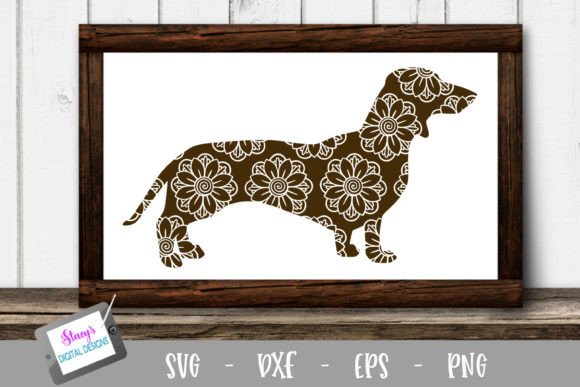
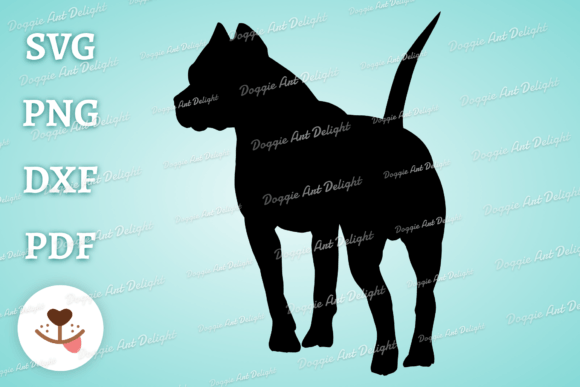
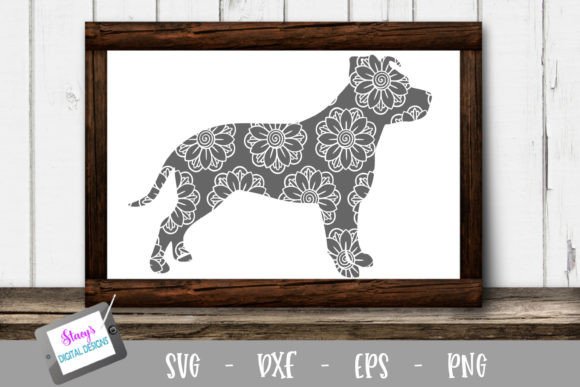
The first thing I noticed about Dog Pitbull with Mandala Pattern is how it balances strength with softness. The pitbull silhouette is recognizably sturdy, with a strong jaw and alert ear shape, yet the interior floral mandala motif softens the overall mood. It does not feel aggressive or overly masculine. Instead, it lands in a sweet spot between bold statement and decorative art. The mandala pattern wraps around the dog’s form in a way that feels organic rather than cluttered, which tells me the original artist paid attention to flow and negative space.
The design carries a subtle spiritual or boho vibe without being too niche. I can see it appealing to dog lovers who also enjoy mandala art, yoga culture, or nature-inspired decor. It does not scream “tough dog” the way some pitbull graphics do. It feels more like a celebration of the breed’s loyalty and beauty, wrapped in a pattern that invites a closer look. For a handmade product, that kind of visual depth makes a difference. Customers linger over it, and that lingering often leads to a sale.
Real Stitch-Out Performance Across Products
I tested Dog Pitbull with Mandala Pattern on three different substrates: a cotton canvas tote bag, a poly-cotton blend sweatshirt, and a linen-blend pillow cover. On the canvas tote, the design held its shape beautifully. The fill areas covered well without excessive stitch density, and the mandala lines stayed crisp. On the sweatshirt, which has more give, I used a medium-weight cutaway stabilizer and a light tearaway topper, and the design tracked evenly with no puckering. The pillow cover, being a looser weave, required a layer of water-soluble stabilizer on top to keep the stitches from sinking, but once that was in place, the result was clean and professional.
In a commercial embroidery setting, where you might be running multiple units for a small shop or an Etsy seller, this design behaves predictably. It does not have overly dense sections that bog down the machine, and the color changes are logical. I used three thread colors for my test: a deep charcoal for the pitbull outline, a muted gold for the mandala petals, and a soft cream for the background fill areas. The contrast worked well, and the design read clearly from a few feet away. That is important for items like custom apparel, embroidered patches, or sweatshirt embroidery where you want the design to pop without being loud.
Where This Design Shines
This digital embroidery file is versatile. I can easily picture it on a tote bag design for a dog rescue fundraiser, a baby embroidery project for a nursery with a boho animal theme, or a holiday embroidery gift for a friend who adores her pitbull. It also works well as a standalone center design on a cap or a small applique design if you break the mandala into fabric pieces. The zip folder includes SVG, EPS, PNG, and DXF files, which means beyond embroidery, you can use it for printable mockups, sublimation on mugs or coasters, or even laser engraving on wood. That multi-format flexibility is a huge plus for a craft business that sells across multiple channels.
I also tested a sublimation print on a polyester tote using the PNG file, and the mandala details transferred cleanly with no bleeding. For anyone running an Etsy shop or selling at craft fairs, having one design that works for both stitching and printing saves time and keeps your product line cohesive.
When and Where to Use Caution
No design is perfect for every situation, and Dog Pitbull with Mandala Pattern has a few limitations worth noting. The mandala interior contains some fine detail areas that could become muddied on very small hoop size setups. If you are planning to stitch this in a 4x4 hoop, I recommend scaling it down only slightly and checking the preview carefully. I tried it at about 2.5 inches wide on a cap, and the inner petals started to lose definition. On a flat surface like a tote or sweatshirt, anything above 4 inches wide gives the mandala room to breathe.
On dark fabric, you will need a good quality white or light underlay to keep the colors vibrant, especially if you are using gold or pastel thread shades. On stretchy fabric like a ribbed knit or lightweight jersey, a firm stabilizer is essential. I also recommend testing a small section of the mandala on your actual fabric before committing to a production run. The stitch density is moderate, not extreme, but if you are stitching on a thin or loosely woven fabric, the fill areas can pull the weave if not stabilized properly.
For curved surfaces like caps or small cylindrical items, avoid placing the design too close to the seam or edge. The pitbull’s ear area extends outward slightly, and you want to make sure the full silhouette fits within the hoop without distortion. A running stitch outline around the outer edge can help define the shape if you are working with a tricky fabric.
Visual Appeal, Product Value, and Customer Trust
When I sell a personalized gift or a boutique product, I want the design to communicate quality and thoughtfulness. Dog Pitbull with Mandala Pattern does exactly that. The combination of a recognizable dog silhouette with an intricate mandala feels curated, not generic. Customers perceive that as higher value, which directly affects what you can charge. I have found that designs with a clear artistic point of view tend to generate more positive comments and repeat orders. This design has that quality.
From a crafts perspective, the mandala pattern also gives you built-in storytelling. You can talk about the symbolism of mandalas, the loyalty of the pitbull breed, or the way the design blends nature and strength. That kind of narrative sells. Whether you are listing it on Etsy, showing it at a craft fair, or featuring it in a social media post, the design holds its own as a conversation starter. It also photographs well, which is critical for Etsy sellers and small shop product listings. I shot a few mockups on a cream tote and a heather grey sweatshirt, and the contrast was immediately appealing.
For brand consistency, this design fits into a boho, nature-inspired, or modern minimalist brand aesthetic. If your shop leans toward edgy or hyper-realistic animal designs, this may feel a bit softer than your usual offering, but that could also be a way to attract a new customer segment. It is versatile enough to work across baby embroidery, holiday embroidery, or everyday gift items without feeling out of place.
Practical Designer Notes Before You Stitch
Before you load this embroidery file and hit start, here are a few things I always check with a design like this.
Test on scrap fabric first. I cannot stress this enough. Even with a clean-looking digital file, the way stitches lay on your specific fabric matters. Run a small sample in the colors you plan to use. Check the mandala detail closely under good light. If any petals look crowded, adjust your scaling or simplify the color palette.
Review thread color contrast. The mandala pattern works best when the interior motifs stand out from the pitbull silhouette. I recommend using at least two contrasting thread colors for the dog and the pattern. A monochrome version could work for a more subtle look, but the design really shines when there is clear separation between the dog’s outline and the mandala fill.
Check stitch density before running production. If the design feels overly dense in preview, consider reducing the density slightly or using a lighter underlay. This is especially important for commercial embroidery runs where you need consistency across multiple units. A dense design can cause fabric distortion on thinner materials.
Confirm hoop size and design dimensions. The design is provided as a graphics file set in the zip folder. You will need to load it into your embroidery software and check the actual stitch count and dimensions. If those details are not listed in the product page, take a moment to verify before you cut stabilizer.
Inspect small details in black and white. Convert the design to grayscale in your software and look at the value distribution. This helps you spot areas where the mandala might blend into the silhouette or where fine lines could disappear on dark fabric. Adjust your thread colors accordingly.
Use proper stabilizer for your fabric type. For a tote bag design on cotton canvas, a medium-weight cutaway works well. For sweatshirt embroidery on fleece, add a tearaway topper to prevent stitches from sinking. For baby embroidery on soft knits, a lightweight cutaway with a water-soluble topping will keep the design soft to the touch.
Confirm licensing before selling. Since this is a digital embroidery file from Stacy’s Digital Designs, check whether the license permits commercial embroidery and selling finished products. Some designers allow unlimited commercial use, while others require attribution or limit production volume. Always confirm before listing items in your shop or using the design as a design asset in digital products.
Final Verdict for the Working Designer
Dog Pitbull with Mandala Pattern is a solid addition to any embroidery project library. It offers enough visual interest to stand out in a crowded market, yet it remains practical for real production work. The file format variety means you can use it across stitching, printing, and sublimation, which is a smart move for a small shop product lineup. With proper attention to stabilizer, hoop size, and thread colors, this design will produce finished items that customers love and remember. I have already recommended it to two other designer friends, and I plan to use it in my own upcoming collection of handmade products for the holiday season. If you are looking for a design that bridges the gap between bold mascot art and decorative detail, this one is worth a serious look.