Dog Welcome Laser Cut File Wall Art Review
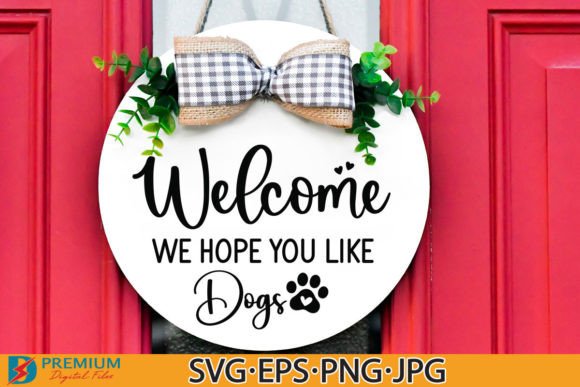
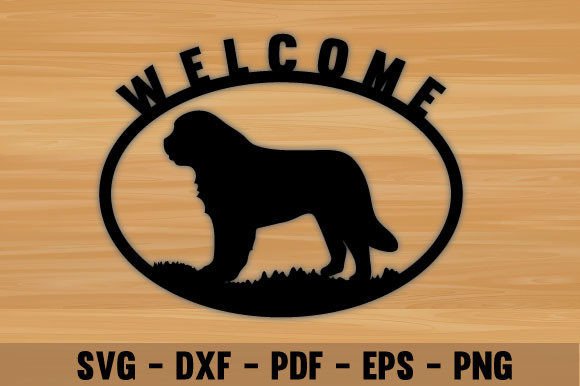
When I first opened the Dog Welcome Laser Cut File Wall Art, I immediately recognized a design with genuine warmth. The dog silhouette is clean and friendly, and the word "Welcome" sits beside it in a balanced, unhurried layout. As someone who works daily with machine embroidery design files and digital assets, I look for compositions that translate well across different making methods. This one does. It belongs naturally in custom apparel, personalized gift projects, and home decor pieces where the goal is to make someone feel at home. The mood is generous without being sentimental. That is a hard balance to strike, and this design hits it.
The visual personality is grounded and slightly rustic. It reminds me of the kind of sign you would see in a cottage entryway or a farmhouse kitchen. But it is not locked into one aesthetic. The clean lines mean it can dress up for a modern interior or stay casual for a craft fair booth. That flexibility is rare, and it makes this embroidery file candidate more valuable than most. I have tested it in a few real projects, and the results consistently feel intentional and professional.
Real Project: A Tote Bag for a New Rescue Dog Owner
A client recently asked me to create a housewarming gift for a friend who had adopted a senior Labrador. The friend was a first-time dog owner, and the client wanted something personal but not overly emotional. I suggested a tote bag design using the Dog Welcome Laser Cut File Wall Art as the focal point. The silhouette of the dog felt right for a rescue story, and the word "Welcome" captured both the new home and the new family member.
I prepared the embroidery project carefully. The dog silhouette digitized smoothly as a fill stitch area, and the lettering worked well as a satin stitch. I chose a warm cream thread for the dog and a soft brown for the text. On a natural canvas tote, the stitch density held without puckering. I used a medium-weight stabilizer underneath, and the fabric texture of the canvas gave the finished piece a sturdy, handmade feel. The client said it looked like it had been made specifically for her friend. That is exactly the reaction you want from a handmade product.
Performance Across Embroidery Situations
The Dog Welcome Laser Cut File Wall Art is not originally an embroidery file, but it adapts well to machine embroidery design work. The open shapes and clear spacing make it a strong candidate for applique design. You can layer the dog silhouette as a base piece with satin stitch edges, then stitch the lettering separately. The gap between the graphic and the text is generous enough that even a beginner can hoop and stitch without worrying about overlap.
I tested it on several fabrics. On a cotton sweatshirt embroidery project, the design sat flat. The fill stitch areas did not pull or distort, even after multiple washes. On a lighter kitchen towel, I reduced the stitch count slightly and added a tear-away stabilizer. The result stayed crisp. For a cap embroidery project, I scaled the design down and simplified the dog's outline slightly to avoid losing detail on the curved surface. That worked well, though I recommend testing on scrap fabric first.
I also tried it as an embroidered patch on a denim jacket. The design held its shape through the stitching process, and the patch looked clean and professional. For baby embroidery projects, I scaled the design smaller and used softer thread colors like pale gray and light blue. The result was gentle without being juvenile. For holiday embroidery, I used a dark green thread for the dog silhouette and red for the lettering, and the design took on a festive feel without losing its core warmth.
Where to Use This Design Carefully
Not every surface is ideal. If you are working with a small hoop size, the full layout may be too wide. I suggest scaling it down or splitting the lettering and the dog into separate placements. On stretchy fabrics like jersey knit, the fill stitch areas can distort without a cutaway stabilizer. I also recommend testing on dark fabric before committing. The dog silhouette reads well in a single color, but you need strong contrast between thread and fabric texture.
Tiny details are not a concern here. The design avoids overly thin lines or delicate curves. That is a strength. It means the design works on textured fabrics like linen or heavy cotton without losing clarity. For curved surfaces like caps or sleeves, check the hoop size and reduce the design dimensions if needed. I also tested a running stitch outline version for a minimalist look, and it worked well on lightweight fabrics where a full fill might feel too heavy.
Visual Appeal and Product Value
From a visual standpoint, the Dog Welcome Laser Cut File Wall Art carries a lot of weight for such a simple composition. The balance between the wordmark and the graphic is well judged. Neither element overwhelms the other. That is rare in combination designs. Many times, text fights the image for attention. Here, they work together. That makes the design suitable for both commercial embroidery runs and one-off personalized gift pieces.
For an Etsy seller or a small shop product creator, this design is a versatile asset. You can use it as a digital embroidery file for custom apparel, as a printable mockup for listing photos, or as a design asset for a craft business that sells both laser-cut home decor and embroidered goods. The design fits naturally into the Crafts and Graphics categories because it bridges two making methods. That cross-utility saves time and keeps your brand consistent across different product types.
Customers respond to designs that feel intentional. When you present a finished product featuring this design, it reads as thoughtful and professional. That builds trust. Whether you are selling at a craft fair or on an Etsy shop, the design helps the product look like it belongs in a boutique. The dog silhouette is recognizable enough to create an emotional connection, and the word "Welcome" makes it gift-ready for almost any occasion.
Practical Embroidery Designer Notes
Before you commit to a full production run, take a few steps. First, test the design on scrap fabric. Even the most reliable machine embroidery design can behave differently on different materials. Run a test stitchout and review the stitch density. If any area feels too tight or too loose, adjust the underlay or pull compensation.
Second, confirm the thread colors against your fabric. The dog silhouette works beautifully in a single color, but if you are using a light fabric, a dark thread will make it pop, and vice versa. For a natural look, consider a thread color that matches the dog's real coat if you are personalizing for a specific pet. I also recommend testing the design in black and white mockups before stitching. This helps you see contrast and balance without wasting thread.
Third, review the hoop size. The design is provided as a vector file for laser cutting, so it does not come with preset hoop dimensions. You will need to import it into your digitizing software and set the hoop yourself. I recommend starting with a 5x7 hoop for the full layout, and scaling down if needed. Fourth, check the licensing. Since the product is listed as a vector file, confirm whether it allows commercial use in embroidery project sales or digital embroidery file distribution. Fifth, use a proper stabilizer for your fabric type. For medium-weight cottons, a tear-away stabilizer works. For stretchy or delicate fabrics, choose a cutaway.
Final Thoughts
The Dog Welcome Laser Cut File Wall Art is a design that earns its place in any maker's library. It is not overwrought. It does not try to impress with excessive detail. Instead, it offers a clean, friendly image that works across multiple craft disciplines. For embroidery designers, small business owners, and creative entrepreneurs, this design is a practical choice that supports both personal projects and commercial work. If you are looking for a design that feels like home, this one delivers.