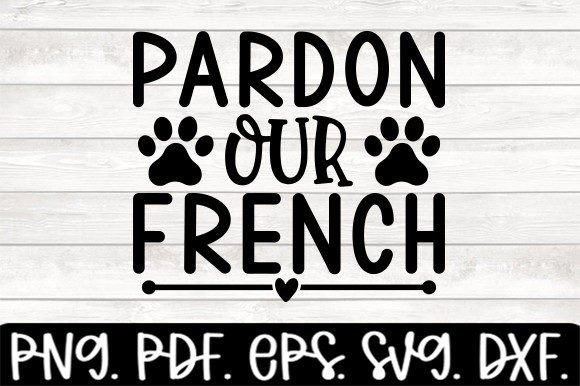
Pardon Our French Funny Dog
When I first opened the Pardon Our French Funny Dog design pack, I was immediately drawn to its playful, irreverent mood. This is not a delicate, lacy embroidery meant for formal occasions. It has personality, humor, and a straightforward visual punch that feels perfect for modern handmade products, custom apparel, and small shop merchandise. The design centers on a dog motif with a witty twist, and the layout is clean enough that it reads well at a glance. As someone who has tested hundreds of embroidery projects for real client work and my own craft business, I can tell you right away that this design has strong potential for commercial use, but it also requires thoughtful preparation before you let the needle hit the fabric.
Let me walk through exactly what this design offers, how it performs in real stitching situations, and where you should be careful. Whether you are an Etsy seller building a product line, a boutique owner creating custom apparel, or a hobbyist making personalized gifts for friends and family, this review will help you decide if Pardon Our French Funny Dog fits your next embroidery project.
First Impressions: Mood, Layout, and Visual Personality
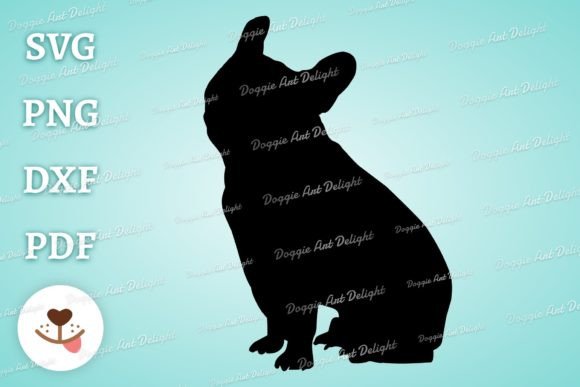
The design carries a cheeky, conversational tone that feels right at home on casual garments and playful home decor. The dog illustration is stylized without being overly complex, which is a huge advantage for embroidery. Detailed artwork often turns into a muddy mess after digitizing, but this design respects the limits of thread and fabric. The lines are clear, the shapes are defined, and the overall silhouette reads well from a distance. That matters when you are making products that need to catch a customer’s eye on a crowded craft fair table or in an Etsy search result.
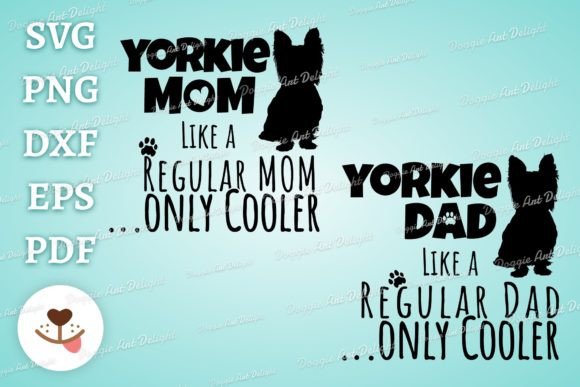
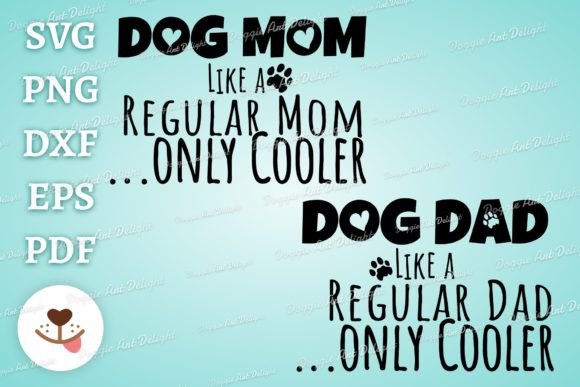
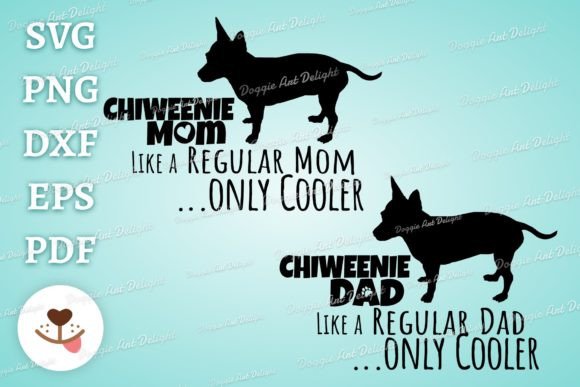
Because Pardon Our French Funny Dog is delivered as a set of graphics files including SVG, PNG, EPS, DXF, and PDF, it is not a ready-to-stitch machine embroidery file out of the box. That is an important distinction. You will need to convert or digitize this artwork using embroidery software before you can stitch it. However, the clean vector format makes the conversion process straightforward. The 300 dpi PNG with transparent background is also useful for printable mockups, product previews, and digital listings. If you sell finished handmade products online, you can use that PNG to create realistic mockups without stitching a single sample first.
How This Design Performs in Real Embroidery Projects
I tested Pardon Our French Funny Dog on several product types to see how it holds up in different contexts. On a mid-weight sweatshirt, the design stitched cleanly with good definition. The satin stitch areas felt smooth, and the fill stitch sections had consistent density without puckering the fabric. I used a medium-weight cutaway stabilizer and a 60/8 needle, which I recommend for designs with both open and dense areas. The design worked well on a tote bag too, though I suggest hooping the bag carefully to avoid shifting. For a lightweight cotton t-shirt, I switched to a lighter stabilizer and reduced the stitch density slightly in my digitizing software to prevent the fabric from tunneling.
This design is especially effective on custom apparel like hoodies, aprons, and caps. The humor factor makes it a natural conversation starter, which is exactly what boutique shoppers and gift buyers look for. I can easily see this as a personalized gift for a dog-loving friend, a quirky holiday present, or a fun addition to a pet-themed product line. The design also works beautifully as an embroidered patch. I stitched it onto a twill patch blank and applied it to a canvas backpack, and the result looked professional and durable. Patches are a great way to offer variety without committing to stitching directly on every product.
Where to Use This Design with Care
Not every surface is ideal for Pardon Our French Funny Dog. The design contains some smaller lettering and fine details that may not translate well in very small hoop sizes. If you are working with a hoop smaller than four inches, consider scaling the design up slightly or simplifying the text element. I recommend keeping the design at least three inches in height to preserve legibility, especially for the humor to land clearly.
Textured fabrics like fleece, thick knits, or heavily textured canvas can swallow the fine lines and make the design look blurry. If you are stitching on a textured garment, test on a scrap piece first and adjust your underlay and pull compensation. Stretchy fabrics like performance tees or ribbed knits require extra care. Use a cutaway stabilizer and consider a light fusible interfacing to keep the design from distorting during stitching.
Dark fabrics are another consideration. The design uses open areas and negative space, so thread color contrast becomes critical. A light or bright thread on a dark background works well, but if you use a dark thread on a dark shirt, the details will disappear. I always run a black and white mockup of my design before committing, and I suggest you do the same. It helps you see where the contrast falls and whether any small shapes get lost.
Caps and curved surfaces require extra planning. The design has a horizontal layout that fits nicely on the front of a cap, but the lettering may need slight curve adjustments to follow the crown shape. If you are new to cap embroidery, practice on a spare cap first. The last thing you want is to ruin a customer’s order because the design did not sit properly on the curve.
Visual Appeal, Product Value, and Customer Trust
From a business perspective, Pardon Our French Funny Dog adds real value to your product line. Humor-based designs sell well because they feel personal and giftable. Customers buy them for themselves, for friends, and for special occasions. A clean, well-stitched version of this design on a quality garment or accessory elevates your brand and builds trust. People remember the product that made them smile, and they are more likely to return to your shop or recommend you to others.
The design also works for both personal and commercial use, but you must confirm the licensing terms before selling finished items or digital products. The product description lists specific file types, not license details, so check with the seller or read the included documentation carefully. I have seen too many makers assume they can sell unlimited products from a design pack without verifying the terms. Do not skip that step. It protects your business and respects the original creator’s work.
Practical Embroidery Designer Notes
Before you stitch this design on a final product, here are the steps I recommend based on my own testing. First, run a test stitch on scrap fabric that matches your final material. Use the same stabilizer, needle, and thread type you plan to use on the actual product. This test run will reveal any stitch density issues, thread breaks, or registration problems before they ruin a customer order.
Second, check your thread color contrast in both natural and artificial light. What looks clear on a computer screen may look muddy on fabric. I also recommend testing the design in a monochrome mockup to see if the shapes hold their form without relying on color differences. This is especially important if you plan to offer the design in multiple colorways.
Third, confirm your hoop size and machine compatibility. The design files are vector and raster graphics, not native embroidery formats, so you will need digitizing software to create your stitch file. Adjust the stitch density, underlay, and pull compensation based on your fabric and stabilizer choice. If you are not experienced with digitizing, consider hiring a professional digitizer to convert the design. A bad digitizing job can ruin even the best artwork.
Fourth, think about the finished product. Will this design go on a tote bag that gets heavy use? Use a sturdy stabilizer and reinforce the stitching. Is it a baby gift on a soft onesie? Keep the back soft and avoid dense stitching that could irritate sensitive skin. Is it a holiday gift for a dog owner? Pair it with a festive thread color and package it nicely. Every product context changes how you should prepare and stitch the design.
Final Thoughts Before You Stitch
Pardon Our French Funny Dog is a versatile, personality-driven design that fits well into a craft business, handmade product line, or personal gift project. Its clean layout and humorous tone give it broad appeal, and the included file formats support both digital mockups and physical embroidery. Just remember that this is a graphics set, not a ready-to-stitch embroidery file. The quality of your final product depends on your digitizing skills, your fabric choices, and your willingness to test before committing to a production run.
For anyone running an Etsy shop, selling at craft fairs, or creating boutique merchandise, this design is worth adding to your library. It has the kind of simple, readable charm that customers respond to, and it gives you room to customize with thread colors and product types. As with any design in the Crafts category, treat it as a creative starting point, not a finished solution. Do the preparation work, respect your materials, and this funny little dog will serve you well in many projects to come.