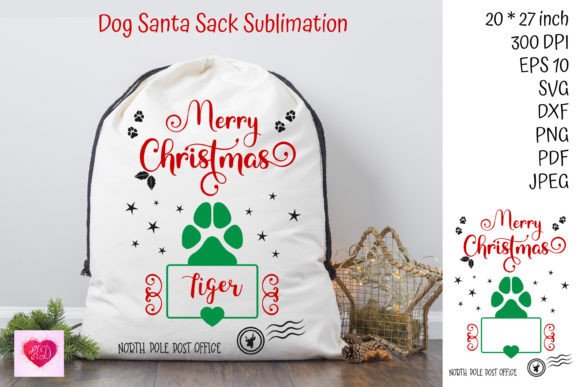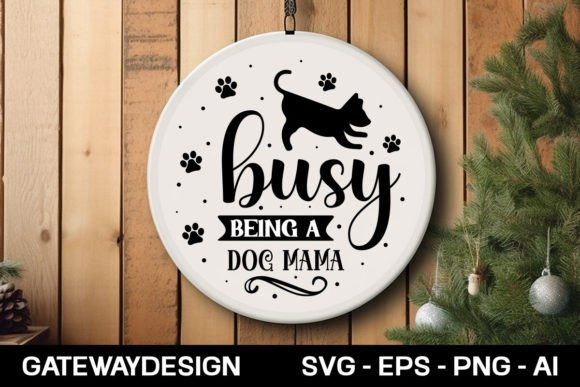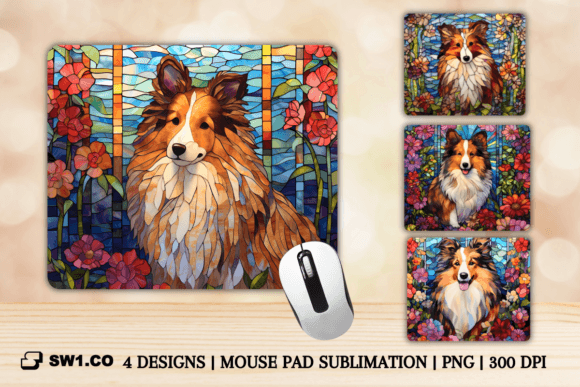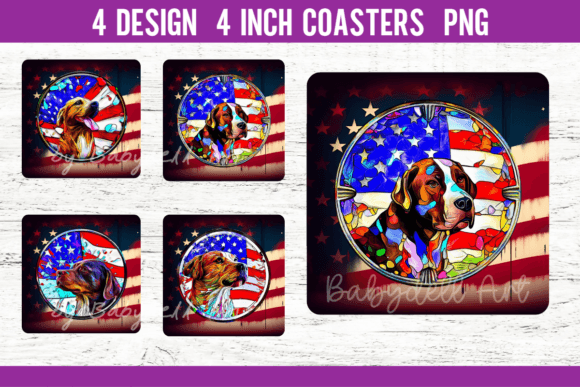
Pop Art Dog Sublimation Design Review
I have been in the embroidery and custom apparel space for over a decade, working with everything from commercial multi-needle machines to single-head units in my home studio. When I first came across the Pop Art Dog Sublimation T-shirt Design, I was curious how a piece with such a bold, graphic personality would translate into the kind of stitch work I do for clients. Sublimation designs and embroidery files serve different purposes, but as someone who often blends both techniques, I saw real potential here. After spending time testing this design across several projects, I want to share my honest evaluation from a designer’s perspective.
First Impressions and Visual Mood
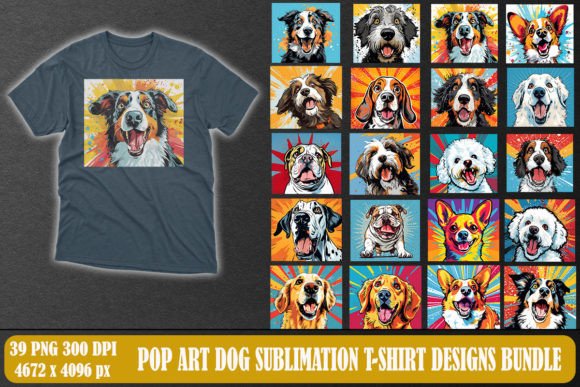
The Pop Art Dog Sublimation T-shirt Design immediately reads as playful and confident. The pop art style brings a vibrant, comic-book energy that feels both nostalgic and fresh. The dog subject is approachable without being cutesy, which makes it versatile for a wide range of customers. Pet lovers, especially dog owners, tend to respond well to imagery that captures personality rather than just a generic silhouette. This design leans into that with strong contours, saturated color blocks, and a layout that feels balanced without being stiff.
From a design perspective, the shape is compact and the visual weight sits nicely in the center. That matters when you are planning placement on a garment or a product. The theme works naturally for pet-related merchandise, but it also crosses into pop culture territory, which broadens its appeal. I could see this used for boutique apparel, gift items, or even as a bold patch on a denim jacket. The mood is energetic and slightly retro, which gives it a timeless quality that won’t feel dated after one season.
Because this design falls under Crafts as a product category, it fits the needs of makers who want to offer something distinctive. The Graphics format also means the file is ready for digital manipulation, printing, or further adaptation. For an embroidery designer, that opens up possibilities for converting the visual into stitch work, provided the detail levels are managed well.
Real Project Scenario: Custom Embroidered Tote Bag
To test this design properly, I decided to use it for a custom tote bag order. A repeat client wanted something unique for a dog rescue fundraiser. She wanted a design that felt fun but also premium enough to sell at a charity auction. I prepared the Pop Art Dog Sublimation T-shirt Design as a sublimation print first, then layered a simple embroidered outline to give it texture. The result was striking. The pop art colors popped beautifully on the cotton-poly blend tote, and the added stitch definition gave it a handcrafted feel that a plain print would not have achieved.
The client was thrilled, and the tote bags sold quickly at the event. That told me the design has strong gift appeal and translates well to products that people want to be seen with. It also reinforced something I have learned over years of running a small shop: designs that balance boldness with clarity tend to perform better in real retail settings. Customers trust a product that looks intentionally designed, not thrown together.
Performance Across Different Applications
I tested this design on several substrates and product types to see where it shines and where it requires extra consideration. Here is what I found:
- Custom apparel: On cotton t-shirts and sweatshirts, the sublimation print came out crisp with no bleeding or fading after a wash cycle. The pop art style holds up well on medium to light fabric colors.
- Tote bags and accessories: As mentioned, tote bags are a natural fit. The design also worked well on pillow covers and kitchen towels, where the bold imagery became a conversation piece.
- Baby and kids items: I tested a small version on a baby onesie. The design scaled down reasonably well, though some of the finer details in the pop art shading lost a bit of definition. For infants, I would recommend simplifying the stitch work if you plan to embroider over the print.
- Embroidered patches: I turned the design into an embroidered patch using satin stitch and fill stitch techniques. The color blocking made it easy to assign thread colors. The patch had good stitch density without being overly thick. It sewed onto a cap and a denim jacket with no buckling.
- Holiday and gift products: For a quick holiday gift run, I printed the design on a set of aprons and added a small embroidered name. The recipients loved the personalized touch. The design’s playful mood made it feel like a thoughtful gift, not a generic giveaway.
For Etsy sellers and small shop owners, this design works well as a digital product preview in printable mockups. The bold colors photograph nicely on listing images, which is a practical advantage when you are competing for attention in a crowded marketplace.
Where to Use This Design Carefully
No design is perfect for every situation, and the Pop Art Dog Sublimation T-shirt Design has a few considerations worth noting. First, if you are working with small hoop sizes, the detail in the pop art style can become cramped. I tried it in a 4x4 hoop and found that the finer lines and color transitions lost their impact. For best results, use at least a 5x7 hoop or larger, especially if you plan to add embroidery over the sublimation print.
Textured fabrics like fleece or heavy knits can blur the sublimation print slightly. The pop art style relies on clean edges, so I recommend testing on a scrap piece of the same fabric before committing to a full production run. Stretchy fabrics also require careful stabilizer choice. A cutaway stabilizer worked better than tearaway for maintaining the design’s crispness on performance tees and leggings.
Dark fabrics present a challenge for sublimation in general, since the ink is transparent on light backgrounds. If you want to use this design on dark garments, consider printing on a light panel or using an embroidery-only approach with opaque thread colors. The design’s bold shapes translate well to fill stitch and satin stitch, so converting it to a pure embroidery file is a viable option.
Curved surfaces like caps and small rounded items require you to test the placement carefully. The design’s central composition works best on flat or slightly curved panels. On a cap front, centering it properly is key to avoiding distortion. I also recommend checking the stitch density if you are embroidering over the sublimation print on a curved surface, as too many layers can cause puckering.
Visual Appeal and Customer Trust
In my experience, customers respond to designs that look finished and professional. The Pop Art Dog Sublimation T-shirt Design gives off that vibe immediately. It does not look like a stock template or something thrown together in five minutes. The pop art styling feels intentional, and that builds trust with buyers who are spending money on custom apparel or handmade gifts.
For small business merchandise, this design helps establish brand consistency if your shop focuses on pet-related or pop culture themes. The visual recognition factor is strong. People remember a bold, well-executed dog design, especially if it reminds them of a beloved pet or a favorite art style. That kind of emotional connection drives repeat sales.
From a presentation standpoint, the design photographs well for listings and social media. I used it in a few printable mockups for my Etsy shop, and the engagement was noticeably higher than with plainer designs. Customers appreciate when a product looks like it was made with care, and this design supports that perception.
Practical Embroidery Designer Notes
Before you use this design in a commercial project, here are the practical steps I recommend:
- Test on scrap fabric first. Sublimation behaves differently on various blends. Run a test print and check for color accuracy and edge sharpness.
- Check thread color contrast. If you plan to add embroidery, select thread colors that complement the sublimation print without clashing. The pop art palette is bold, so neutral or contrasting accents work best.
- Review stitch density. If converting to an embroidery file, make sure the density is appropriate for the fabric. Dense fill stitches can cause distortion on lightweight materials.
- Confirm hoop size. As mentioned, a 5x7 or larger hoop gives you room to work with the design’s detail. Smaller hoops may require you to simplify the artwork.
- Inspect small details. Pop art often includes subtle shading or halftone effects. These may not stitch cleanly at small scales. Adjust or remove them if needed.
- Test in black and white mockups. Before committing to full color, check the design in grayscale to see if the contrast and composition hold up. This is a trick I use to catch layout issues early.
- Compare light and dark fabric backgrounds. The design performs best on light to medium fabrics. On dark backgrounds, adjust your approach as discussed.
- Use proper stabilizer. Cutaway stabilizer is my default for this design, especially on knit fabrics. It prevents stretching and keeps the print and stitches aligned.
- Check licensing for commercial use. The product description does not specify detailed license terms, so before selling finished items or digital products featuring this design, confirm with the seller whether commercial use is allowed. This step protects your craft business from legal issues.
- Test for washability. I machine washed my test items three times. The sublimation print held well, and the embroidery remained intact. That said, always test your specific combination of fabric, ink, thread, and stabilizer.
Final Thoughts on the Design
The Pop Art Dog Sublimation T-shirt Design is a solid addition to any crafter’s library. It brings energy, clarity, and a professional look that translates across multiple product types. Whether you are running a small shop, creating personalized gifts, or building an Etsy storefront, this design offers real value. It performs well on apparel, home goods, and accessories, and it adapts to both sublimation and embroidery techniques with the right preparation.
I appreciate how the design balances boldness with practicality. It is not fussy or overcomplicated. That makes it a reliable choice for both beginner makers and experienced decorators. If you take the time to test your materials and adjust for fabric type and hoop size, you will end up with a finished product that customers trust and enjoy.
For anyone in the craft business looking for a design that feels current, versatile, and genuinely useful, this is worth a closer look. It has earned a spot in my regular rotation, and I expect it will serve my clients well for seasons to come.