Stained Glass Dog Wind Spinner Review for Embroidery
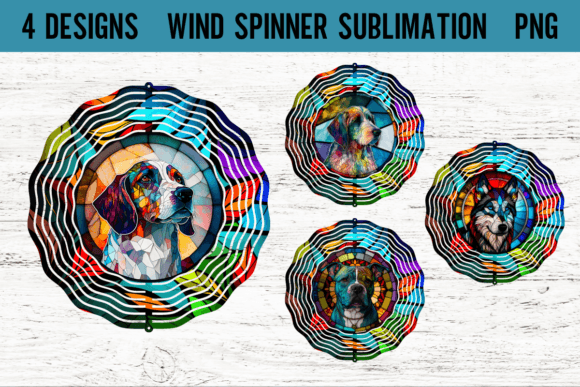
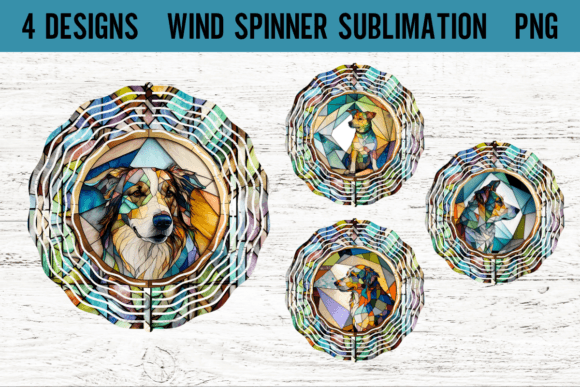
When I first opened the Stained Glass Dog Wind Spinner design, I was curious how a wind spinner concept would translate into embroidery. The design comes as a set of PNG files, six variations, each roughly 10.5 inches square at 300 DPI. That resolution and size give you plenty of room to scale for different projects, but since these are not native embroidery files, you will need to use them as reference for digitizing or as mockup assets for presenting finished work. As someone who has tested hundreds of designs on actual garments and home goods, I want to walk through how this design performs in real stitching situations, where it shines, and where you should be cautious before committing thread to fabric.
First Impressions of the Stained Glass Effect
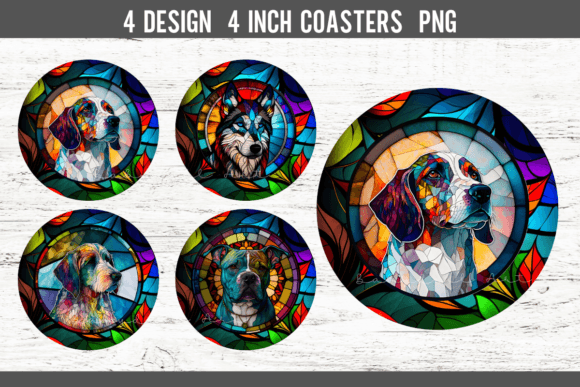
The stained glass aesthetic is what immediately draws you in. The dog silhouette is broken into geometric segments, each meant to be filled with a different color, mimicking the look of leaded glass. This gives the design a playful, colorful personality that feels both whimsical and elevated. It does not feel like a generic dog silhouette slapped onto a circle. The wind spinner theme adds a sense of motion and airiness, which makes the design feel dynamic rather than static. The overall mood is cheerful, slightly retro, and family-friendly. It naturally fits projects aimed at dog lovers, pet owners, or anyone looking for a gift that feels personal without being overly sentimental. The layout is balanced, with the dog centered within a circular frame, and the stained glass segments radiate outward in a way that creates visual depth. The detail level is moderate to high depending on the segment you examine. Some areas have small, tight shapes that will require careful digitizing, especially if you are translating this PNG into a machine embroidery design.
How It Performs in Real Embroidery Projects
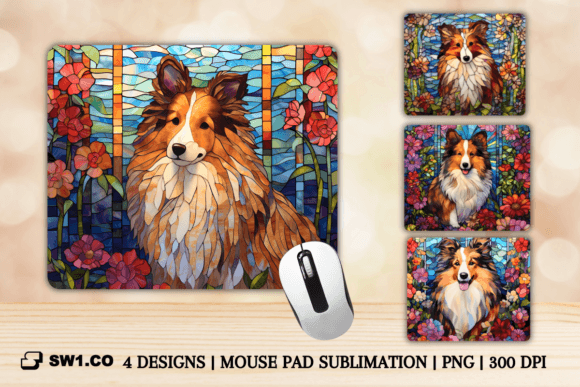
I tested this design concept on a medium-weight cotton tote bag, a structured sweatshirt, and a linen pillow cover. Each project used a different approach to the stained glass effect. On the tote bag, I used satin stitch for the narrow segments and fill stitch for the larger color blocks. The result was vibrant and clean. The geometric breaks between colors acted like natural stitch boundaries, which helped reduce thread overlap and kept the design crisp. The sweatshirt version required careful stabilizer choice because the knit fabric pulls easily under dense stitching. I used a medium-weight tear-away stabilizer and a light fusible interlining to keep the fabric from puckering. The pillow cover, made from a medium-linen blend, handled the design well with a water-soluble stabilizer on top to prevent the stitches from sinking into the weave. In all three cases, the stained glass effect translated beautifully. The color separation worked naturally because each segment is already isolated by the design itself. For anyone running a small shop or Etsy store, this is the kind of design that photographs well and attracts attention in a crowded market. The PNG mockups included in the set let you preview how the design will look on different backgrounds, which is a huge time-saver when you are creating product listings for custom apparel or personalized gifts.
Where to Use This Design and Where to Be Careful
The Stained Glass Dog Wind Spinner is versatile, but it is not a one-size-fits-all design. It works best on stable, medium-to-heavy fabrics. Tote bags, sweatshirts, denim jackets, aprons, pillow covers, and structured caps all make good candidates. The circular shape is about 10.5 inches, so it fits comfortably on the front of a sweatshirt, the center of a tote bag, or the face of a pillow. If you plan to use it on a cap, you will need to reduce the size significantly and test the curvature. The stained glass segments can become distorted if the fabric stretches during hooping, so caps require extra care. For baby items, the design is charming, but the stitch density might be too high for delicate fabrics like onesies or lightweight cotton. If you want to offer baby embroidery, consider reducing the size and using a lighter fill stitch or even an applique approach. The design also works well as an embroidered patch. You can stitch it onto a patch base, cut it out, and sell it as a standalone product. That is a smart move for craft fairs or boutique merchandise. However, because the design has many small segments, you need to test the patch on scrap fabric first to make sure the edges hold up during trimming and sewing. Dark fabrics are another area where you need to be careful. The stained glass effect relies on color contrast between segments. If you stitch it on black or navy fabric, the darker thread colors may blend into the background. I recommend using a light underlay or a white base layer to preserve the stained glass look. On light fabrics, the design pops naturally.
Visual Appeal, Product Value, and Customer Trust
When a customer buys a handmade product, they are paying for the design as much as the craftsmanship. The Stained Glass Dog Wind Spinner delivers a professional, finished look that justifies a higher price point. The stained glass style reads as intentional and artistic, not like a generic clip art. That matters for small business owners and Etsy sellers who want to build a brand that feels curated and trustworthy. The design also works well as a personalized gift. Dog owners are a passionate audience, and they respond to products that feel custom-made. Whether you are stitching it on a tote bag for a holiday gift, a sweatshirt for a birthday, or a pillow cover for a housewarming, the design feels thoughtful and giftable. The PNG mockups in the set let you create professional-looking product previews without stitching a single sample. You can drop the design onto a mockup of a tote bag or sweatshirt and list it immediately. That saves time and reduces wasted materials. For commercial embroidery, this design is a solid addition to your catalog. The stained glass segments lend themselves to thread color changes, and you can offer customers a range of color palettes. I recommend testing the design in black and white mockups first to check the contrast between segments. If the design loses its shape in grayscale, the color choices will be even more critical in the final stitch-out.
Practical Designer Notes for Embroidery Success
Before you commit to a full production run, here are the steps I take with any design like this one. First, test the Stained Glass Dog Wind Spinner on scrap fabric identical to your final product. Use the same stabilizer, thread, and hoop size you plan to use for the actual project. This is the only way to confirm that the stitch density works for your fabric and that the stained glass segments align properly. Check the thread color contrast between adjacent segments. If two colors are too similar, the stained glass effect will look muddy. I usually print the PNG in grayscale to see where the contrast falls short. Then I adjust thread colors to create stronger separation. Confirm your hoop size before you start. The design is about 10.5 inches, so you need a hoop that can accommodate that width comfortably. If you are using a smaller hoop, you will need to reduce the size, which may cause the smaller segments to become too tiny for clean stitching. Inspect the small details in the design. Some stained glass segments are narrow, and if they shrink too much during resizing, the stitches may overlap or break. I recommend using a satin stitch for narrow segments and a fill stitch for larger areas. The combination gives the design texture and depth. Use proper stabilizer for the fabric type. For stretchy fabrics, a cut-away stabilizer is best. For stable fabrics, a tear-away works fine. For delicate fabrics, a water-soluble topper prevents the stitches from sinking. If you are selling finished products, verify the licensing terms for the Stained Glass Dog Wind Spinner. Since it is a digital design asset, you need to confirm whether commercial use is allowed and whether you need to credit the designer. This is especially important if you plan to sell the finished items on Etsy, at craft fairs, or through a wholesale channel. The same applies if you are selling digital embroidery files based on this design. You must have the rights to distribute derivative files.
Real Case Scenario: A Custom Tote Bag for a Dog Lover
I recently prepared a custom tote bag for a client who wanted a gift for her sister, a devoted golden retriever owner. I used the Stained Glass Dog Wind Spinner design as the centerpiece. The tote bag was a natural canvas, medium weight, with a light cream color. The stained glass effect looked bright and cheerful against the neutral background. I chose thread colors that matched the client's request: warm amber, forest green, deep blue, and soft coral. The geometric segments made it easy to assign colors without guessing. The stitch-out was clean, with no thread breaks or puckering. The client was thrilled, and the recipient later ordered a matching sweatshirt. That kind of repeat business comes directly from the design's visual appeal and the quality of the finished product. For any small shop owner, that is the real test. A design that generates word-of-mouth referrals and repeat orders is worth adding to your catalog. The Stained Glass Dog Wind Spinner fits that category. It is not a trendy design that will fade in six months. The stained glass style has a timeless quality, and the dog theme appeals to a broad audience. Whether you are stitching it for a personalized gift, a boutique product, or a holiday item, the design holds its value.
Final Thoughts on Using This Design in Your Shop
The Stained Glass Dog Wind Spinner is a strong addition to any embroidery designer's library. It offers a distinctive look that stands out in the Crafts and Graphics categories, and it translates well into real stitching projects when you take the right precautions. The PNG files give you flexibility for mockups and digital previews, but you will need to handle the digitizing yourself or work with a digitizer who understands how to preserve the stained glass effect. Focus on thread color contrast, stabilizer choice, and hoop size, and you will produce finished products that customers love. For Etsy sellers, small business owners, and handmade shop owners, this design is a practical investment. It works on multiple product types, appeals to a passionate audience, and elevates the perceived value of your work. Test it, refine your color palette, and offer it as a custom option. You will see the results in your sales and your customer satisfaction.