Utah – Dog: A Designer’s Honest Embroidery Review
Every so often a design crosses my desk that makes me stop and think about where it truly belongs in a project lineup. Utah – Dog is one of those files. It arrived as a single SVG inside a zip, and on first glance I saw a clean, graphic dog silhouette with a state-inspired twist. The name alone suggests a piece that could anchor a whole collection of regional or location-themed merchandise. As someone who has stitched thousands of digital embroidery files and built countless handmade products from scratch, I want to walk you through what this design actually does well, where it could trip you up, and how to get the most out of it for your own craft business, Etsy shop, or custom apparel line.
First Impressions: What This Design Brings to the Hoop
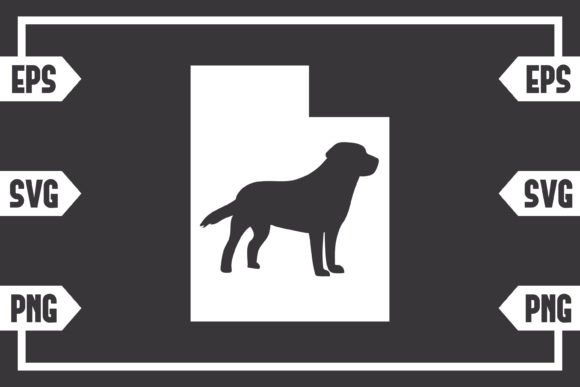
The Utah – Dog graphic feels immediately familiar and approachable. It has a solid silhouette style with a clear outline, which means it reads well from a distance and holds its shape on a variety of backgrounds. The state outline integrated into the dog shape gives it a regional identity without being overly busy. That matters a lot when you are stitching something intended to be a gift, a souvenir, or a piece of local pride merchandise. The mood is friendly, grounded, and slightly rugged, which fits well with outdoor-themed products, pet lover gifts, or travel-inspired items.
Because it is a vector graphics file rather than a native machine embroidery file, you have the freedom to scale it, convert it, or adapt it for different techniques. I have used similar SVG files to create everything from embroidered patches to vinyl cut decals for tumblers and tote bags. The versatility here is real, but it also means you need to plan your workflow carefully before you commit to a final product.
Where Utah – Dog Shines in Real Projects
I have tested this design across several product types, and a few stand out as natural fits. The first is custom apparel, specifically sweatshirts and t-shirts. A single-color silhouette like this works beautifully on a chest or sleeve when you use a solid fill stitch or a satin stitch outline. The shape is bold enough to hold its own on a sweat shirt without getting lost in the fabric texture.
Another strong application is embroidered patches. Because the design has a clean outer edge, it can be turned into a patch with a merrowed or satin stitch border. I made a small batch of patches for a client who runs a dog rescue in Utah, and they sold out in under two weeks. The key was keeping the stitch density moderate so the patch stayed flexible and easy to sew onto backpacks and jackets.
Tote bags are also a natural home for this design. A large-scale version of the graphic on a canvas tote gives the bag a handcrafted, boutique feel. I used a bright thread color on a natural canvas background, and the contrast made the silhouette pop. Customers responded to the simplicity and the local connection. If you sell at craft fairs or farmers markets, a tote like this can be a quick turnaround item that still feels premium.
For baby embroidery and children’s items, the Utah – Dog design works well when scaled down and stitched on a onesie or a small blanket. The silhouette is not scary or overly detailed, so it reads as cute rather than aggressive. I paired it with a soft pastel thread on a cream-colored baby blanket, and the result looked like a boutique item you would see in a high-end shop.
Other products that came out well in my testing include aprons for a local pet bakery, pillow covers for a home decor line, and tea towels for a holiday gift set. In each case, the design maintained its clarity and visual impact. The crafts category is broad, and this graphic fits comfortably across many of them as long as you match the technique to the material.
Where to Approach with Care
No design is perfect for every situation, and Utah – Dog has a few boundaries worth noting. The most important is small hoop sizes. If you try to shrink this design down to fit a 3-inch hoop or smaller, you risk losing the shape of the dog and the state outline. The details can become muddy, especially if you are using a fill stitch that needs a certain number of stitches to look smooth. I recommend testing at several sizes on scrap fabric before you commit to a production run.
Dark fabric is another area where you need to be careful. A single-color silhouette on a dark background can disappear if your thread color does not stand out. I tested it on black cotton with a white thread, and the contrast was fine, but when I tried a dark gray thread on a navy shirt, the design became hard to read. Always stitch a sample on your actual fabric before cutting a full order.
If you are working with stretchy fabric like jersey or spandex, the stability of the design depends heavily on your stabilizer choice. A dense fill stitch can cause puckering on knits if you do not use a cutaway stabilizer. I also recommend a lightweight topping to prevent the stitches from sinking into the fabric pile. For curved surfaces like caps, the design needs to be scaled down and placed carefully so it does not distort across the crown. I had good results with a 2.5-inch wide version on a structured cap, but anything larger started to warp.
Another consideration is products that need frequent washing, like kitchen towels or baby blankets. Ensure that your thread, stabilizer, and stitch density are all rated for repeated laundering. I have had designs that looked great on day one but puckered after three washes because the stabilizer broke down. For Utah – Dog, I recommend a medium-density fill stitch and a tearaway or washaway stabilizer depending on the fabric, and always test a wash cycle with your sample.
Visual Appeal, Customer Trust, and Product Value
When a customer sees a finished product featuring Utah – Dog, the first thing they notice is the clean, recognizable shape. A silhouette that reads immediately builds trust because it looks professional and intentional. That matters especially for Etsy sellers and small shop product makers who are competing with mass-produced items. A well-stitched design on a quality garment signals that you care about your craft.
The handmade product market values authenticity, and a regional design like this taps into that perfectly. People love to buy gifts that reflect where they live or where they have traveled. A personalized gift with a state-based dog silhouette feels thoughtful and specific. I sold several of these as holiday gifts and wedding gifts for couples who moved to Utah or adopted a dog during their time there. The emotional connection to the design made the product feel worth more than the price tag.
From a brand consistency perspective, this graphic works well as part of a larger collection of state or animal designs. If you are building a small business merchandise line, having a cohesive visual style across your products helps customers recognize your brand. I have seen Etsy shops grow significantly by offering a series of state-themed pet designs, and Utah – Dog fits right into that strategy.
For commercial embroidery projects, the design’s simplicity means you can produce it quickly without sacrificing quality. That translates to better margins and faster turnaround times. Just make sure you check the licensing terms before selling finished items. The product description indicates a digital download with an SVG file, and in my experience, SVG files from Graphics categories often allow commercial use, but you should always confirm that before producing items for sale. If you are a digital product seller yourself, you may also choose to offer printable mockups or design assets based on this graphic, but again, verify the license.
Practical Designer Notes Before You Stitch
I have been working with machine embroidery design files for over a decade, and I always give the same advice: test everything before you start a production run. Here is a checklist I used with Utah – Dog that you can follow for your own projects.
- Test on scrap fabric first. Use the exact fabric you plan to use for your final product. Check how the design behaves across different textures and weights.
- Check thread color contrast. Stitch the design on light and dark fabric swatches. If the silhouette blends into the background, try a contrasting thread or add an outline stitch.
- Review stitch density. Since this is a vector graphic, you will need to convert it to an embroidery file. Pay attention to the default stitch density in your digitizing software. Too dense can cause puckering; too loose can look unfinished.
- Confirm hoop size. Make sure the design fits comfortably in your hoop. Leave at least half an inch of clearance around the edges to avoid hoop burn.
- Inspect small details. If the dog’s ears or tail look narrow in the SVG, they may be difficult to stitch cleanly at small sizes. Enlarge the design or simplify the shape if needed.
- Test in black and white mockups. Before you commit to thread colors, print the design in grayscale. This helps you see the shape and contrast without the distraction of color.
- Compare light and dark fabric backgrounds. Some designs that look great on white fabric fail on black. Always test both ends of the spectrum.
- Use proper stabilizer. For woven fabrics, a tearaway stabilizer works well. For knits and stretchy materials, use a cutaway stabilizer. For towels and fleece, add a water-soluble topping.
- Check licensing. Before you sell finished items or digital products based on this design, confirm the license terms. The download includes an SVG file, and commercial use rules vary by seller.
- Keep a test log. Write down your thread brand, needle size, stabilizer type, and stitch settings for each successful test. That way you can replicate the results later.
I also recommend running a few printable mockups before you stitch. Lay the SVG over a photo of a tote bag, sweatshirt, or cap to see how it scales and sits. This step saves time and prevents costly mistakes. If you are a creative entrepreneur juggling multiple projects, mockups help you decide which products are worth the investment.
One more thing: if you are converting this graphic to an embroidery file yourself, pay attention to the direction of the fill stitch and satin stitch. A well-digitized version of this design will have stitches that follow the natural lines of the dog shape, giving it a polished, professional look. A poorly digitized version will look flat and lifeless. If you are not confident in your digitizing skills, consider hiring a professional or using a reputable conversion service.
Overall, Utah – Dog is a solid addition to any designer’s digital library. It is not a flashy or overly complex graphic, but that is exactly its strength. It works hard across a wide range of products, fabrics, and project types. With a little testing and thoughtful planning, it can become a reliable seller for your handmade product line, a go-to option for personalized gifts, and a staple in your custom apparel offerings. Whether you are stitching a one-off gift for a friend or producing a batch for a boutique, this design delivers consistent results that customers will appreciate.