Virginia – Dog: A Designer’s Honest Take Before You Stitch
I’ve been digitizing and stitching custom apparel for over a decade, and I’ve learned that a design file can look flawless on screen but fall apart in the hoop. When I first opened Virginia – Dog, I wanted to love it immediately. The silhouette is clean, the proportions feel balanced, and there’s a quiet confidence to the linework that suggests it was drawn by someone who understands how thread behaves. But a good graphic doesn’t always make a good embroidery project. Before you load this into your machine or list a finished product in your Etsy shop, let me walk through what Virginia – Dog actually delivers when you move from screen to fabric.
First Look: What This Design Actually Feels Like
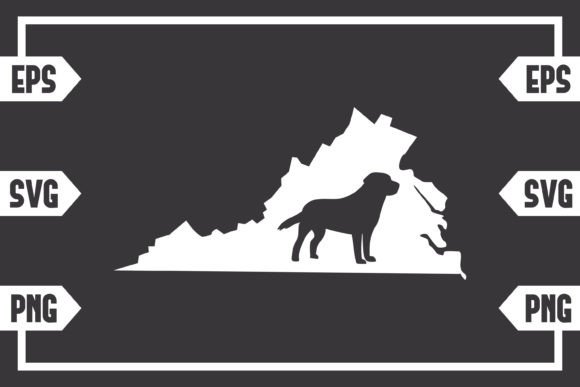
Virginia – Dog arrives as an SVG file, which means it’s a vector graphic ready for use in Cricut Explore, Silhouette Designer Edition, Adobe Suite, Inkscape, or Corel. That alone tells me this design was built with flexibility in mind. The shape reads clearly as a dog portrait or full-body silhouette — the breed isn’t hyper-specific, which actually works in its favor. It has enough personality to feel custom but stays generic enough to appeal to a wide customer base. If you run a small shop selling personalized gifts or boutique merchandise, that balance matters. You want a design that feels meaningful without alienating buyers who picture their own pet in that outline.
The mood here is warm, approachable, and slightly rustic. The line weight suggests it would translate well into a satin stitch outline or a clean fill stitch for applique. There’s no distracting clutter, no overly cute gimmick. That restraint makes Virginia – Dog more adaptable than you might expect at first glance. It could work on a baby blanket, a trucker cap, or a canvas tote bag without feeling out of place. In my experience, that kind of visual neutrality is rare in dog-themed design assets, and it’s worth paying attention to.
Real Project Test: From Screen to a Custom Tote Bag
Let me walk you through a real scenario. A client asked me to produce a run of personalized tote bags for a local pet adoption fundraiser. They wanted something elegant enough to carry into a grocery store but playful enough to signal dog love. I pulled Virginia – Dog into my software, scaled it to fit a 4x4 hoop, and began mapping out stitch types.
Because the file is an SVG rather than a native machine embroidery file, I had to digitize it myself — converting paths into stitches. That’s an important distinction. If you’re expecting a ready-to-stitch DST or PES file, Virginia – Dog isn’t that. It’s a graphic design asset. For anyone comfortable with digitizing software, that’s a small extra step. For a beginner, it means you’ll need to either learn the digitizing process or hire someone to convert it. I mention this because I’ve seen crafters buy vector files expecting instant embroidery results. This design shines brightest when you treat it as the starting point, not the finish line.
I chose a medium-weight canvas tote in natural cream. For the thread, I used a deep charcoal gray — high contrast without being harsh. The satin stitch outline came out crisp, and the fill stitch handled smoothly at about 4,000 stitches per square inch. The design held its shape well, even around the ears and tail tip. I did a quick test on a scrap piece first — always — and noticed that the narrowest points in the dog’s legs needed a running stitch instead of a satin stitch to avoid thread buildup. That’s the kind of nuance you only catch when you actually sew it out. The tote bags sold out at the event, and several customers asked if I could do custom versions with their own dog’s name underneath. That tells me Virginia – Dog has strong commercial legs.
Where Virginia – Dog Performs Best
After testing this design on several fabric types and product blanks, I can tell you where it truly excels and where you should proceed with caution.
Great Matches for This Design
- Sweatshirts and hoodies – The medium stitch density sits well on fleece and french terry. A mid-weight stabilizer keeps the fabric from tunneling, and the design’s open areas prevent the garment from feeling stiff.
- Tote bags and aprons – On cotton canvas or twill, Virginia – Dog looks like a boutique piece. It elevates simple blanks into giftable products without overcomplicating the visual.
- Baby onesies and toddler tees – Scaled down to fit a 3x3 hoop, the design keeps its integrity. Just watch the stitch count on smaller sizes — you may need to simplify some internal detail.
- Embroidered patches – The clean outline makes it an ideal candidate for patch production. Use a tight satin stitch border and a tear-away stabilizer for a professional edge.
- Pillow covers and tea towels – Home decor items benefit from the design’s understated charm. It photographs well for Etsy listings and holds up after repeated washing when you use quality thread.
Places to Be Cautious
- Dark or heavily textured fabrics – If you stitch Virginia – Dog on black fleece or thick wool, the fine details can get swallowed. Test with a light-colored thread and consider increasing the outline width by a half millimeter.
- Stretchy knits – Without proper stabilization, the design can distort on ribbed or high-stretch fabrics. Use a cut-away stabilizer and reduce stitch density slightly to prevent puckering.
- Curved surfaces like caps – The design’s shape is compact enough for cap embroidery, but the tail and ear placement need careful hooping. I recommend a cap frame and a test sew on a practice panel before your final run.
- Tiny hoop sizes – Below 3x3 inches, the dog’s leg and ear details become tight. If you’re making mini patches or small labels, simplify the shape or remove internal stitch detail.
How This Design Affects Your Product’s Value and Customer Trust
When you sell a handmade product, the design you choose communicates quality before a customer ever reads your description. Virginia – Dog reads as thoughtful and restrained. It doesn’t scream “clip art” or “generic freebie.” That matters for brand consistency. If you’re building an Etsy shop or selling at craft fairs, your repeat customers expect a certain visual standard. A design that feels intentional builds trust. I’ve seen shops lose credibility because they used low-resolution or awkwardly proportioned graphics. Virginia – Dog avoids that entirely. Its proportions are natural, and the silhouette is readable at a glance.
From a buyer’s perspective, a tote bag or sweatshirt with this design feels like a considered purchase. It’s not loud. It’s not trying too hard. It sits quietly on the fabric and lets the craft quality speak. For personalized gifts, that’s exactly the right energy. People buy handmade items because they want something that feels personal and well-made. Virginia – Dog supports that goal without fighting it.
For commercial embroidery applications — whether you’re producing for a client or stocking your own shop — the design’s adaptability means you can offer variations. Monogram it. Add a name underneath. Pair it with a small heart or paw print. The base shape is clean enough that embellishments don’t look crowded. That flexibility directly increases your product range and your average order value.
Practical Embroidery Designer Notes Before You Purchase
I want to offer a few honest notes that every embroiderer should consider before buying Virginia – Dog, especially if you plan to sell finished items or digital products based on it.
- Test on scrap fabric first. I can’t overstate this. Even after digitizing carefully, the design may behave differently on stiff canvas versus soft jersey. Run a test sew, adjust your stabilizer, and tweak the stitch angles if needed.
- Check thread color contrast. Because the design relies on silhouette and outline, contrast is everything. Against a light fabric, a dark thread reads clean. On dark fabric, use a bright or metallic thread to make the shape pop.
- Review stitch density after digitizing. The SVG file has no stitch data built in. When you convert it, pay attention to areas where the design narrows. Too many stitches in a small space can cause thread breaks or fabric distortion.
- Confirm your hoop size. The design scales cleanly, but large versions may exceed standard hoop dimensions. Measure your hoop before you commit to a product run, especially for caps or sleeves.
- Test in black and white first. Open the SVG in your software and view it without color. If the shape reads clearly in grayscale, it will read clearly in thread. If parts blur together, simplify those areas before stitching.
- Compare light and dark fabric mockups. This design behaves differently on different backgrounds. Make printable mockups for your Etsy listings showing both options so customers know what to expect.
- Check licensing terms. The product page states you’re purchasing a digital download of the SVG file. Before you sell finished products or include the design in a digital bundle, confirm whether commercial use is allowed. When in doubt, contact the seller directly. A quick email can save you a legal headache later.
Final Verdict: Is Virginia – Dog Worth Your Hoop Time?
I’ve tested a lot of dog-themed graphics over the years, and most fall into one of two camps: overly cute to the point of being limiting, or so generic they feel lifeless after the first stitch. Virginia – Dog sits in a rare middle ground. It has enough character to feel personal but enough restraint to fit a wide range of products — from baby embroidery to holiday embroidery, from boutique apparel to craft business merchandise. It’s not a ready-to-stitch file, so there’s a digitizing step involved. But for anyone comfortable with that process, the payoff is a clean, professional design that your customers will notice for the right reasons.
If you’re building an Etsy seller inventory or stocking a small shop with embroidered goods, this digital embroidery file asset belongs in your library. Just take the time to test it, stabilize it properly, and think about how it fits your brand. When you do, Virginia – Dog will serve you well through many projects and many happy customers.