Funny Dad Fathers Day Dog Dad
When I first opened the Funny Dad Fathers Day Dog Dad embroidery file, I was struck by how quickly it set a mood. This is not a subtle design. It leans into humor, bold lettering, and a clear emotional hook that any dog-owning father will recognize immediately. As someone who has stitched hundreds of custom gifts and sold finished products through my own small shop, I have learned that designs like this one can either fly off the shelf or feel like a missed opportunity depending on how they are handled. Let me walk through what I see in this file, how it behaves in real embroidery work, and what you should consider before stitching it for a client, a gift, or your own product line.
First Impressions and the Design Personality
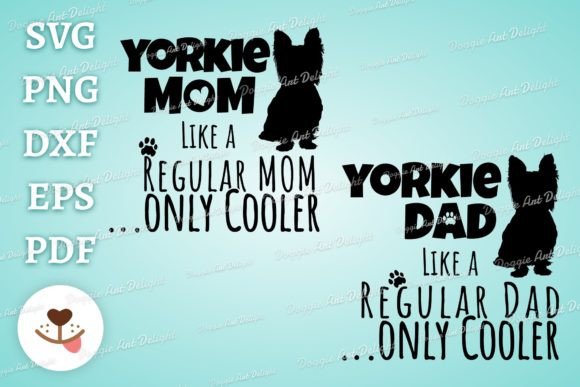
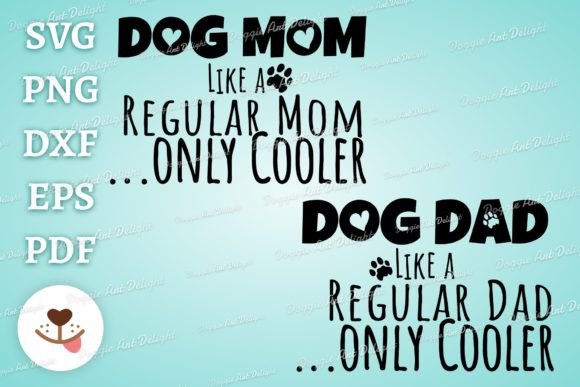
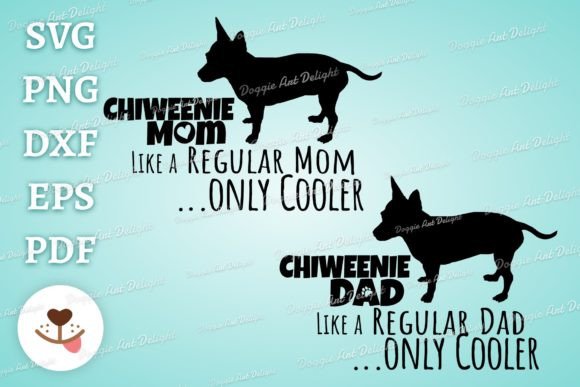
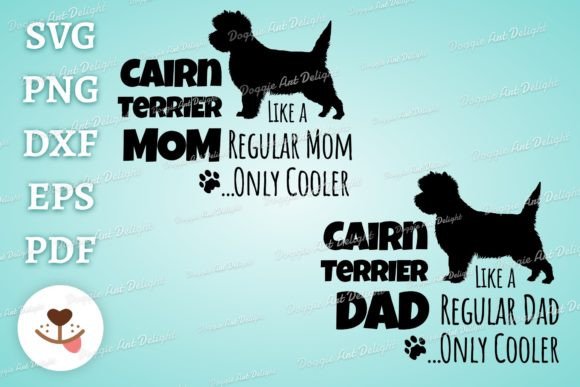
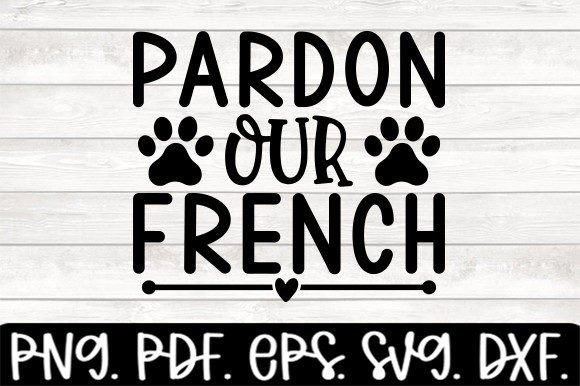
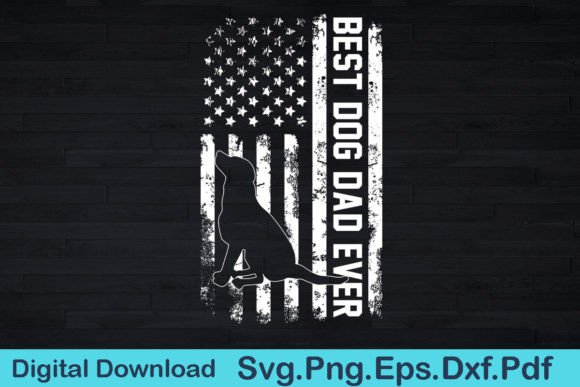
The Funny Dad Fathers Day Dog Dad design carries a playful, slightly irreverent energy that works well for Father's Day but also stretches into birthday gifts, casual apparel, and even pet-themed merchandise. The layout appears to center on bold text with a graphic accent that ties the dog dad theme together visually. The mood is lighthearted without being childish, which makes it suitable for adult garments like sweatshirts and t-shirts, but also for tote bags, aprons, and embroidered patches destined for a denim jacket or a canvas work bag.
What I appreciate from a design perspective is the readability. The lettering looks like it was built with satin stitch in mind, which means the words will pop off the fabric if you choose the right thread colors and stabilizer. The visual personality is confident and direct. It does not try to be clever in a way that gets lost at small sizes. That matters a great deal when you are producing custom apparel for customers who want the joke to land from across the room.
How It Performs in Real Embroidery
Stitching out the Funny Dad Fathers Day Dog Dad design on a medium-weight cotton sweatshirt gave me a good sense of its real-world behavior. The satin stitches in the lettering laid down cleanly with minimal pull, and the fill stitch areas provided enough density to feel substantial without making the fabric pucker. I tested it on a prewashed canvas tote bag as well, and the design held its shape nicely on that heavier substrate.
If you plan to use this for sweatshirt embroidery or t-shirt embroidery, pay close attention to your stabilizer choice. A tear-away stabilizer might work on a sturdy sweatshirt, but I recommend a cut-away stabilizer for anything with stretch. The design has enough stitch density that it needs a stable base. For baby embroidery or children's clothing, the weight of the stitches may feel heavy on thin fabric, so consider reducing the density in your software or using a lighter-weight stabilizer behind the hoop.
On a cap or curved surface, the bold lettering could pose a challenge if the design is wide. Hooping a cap requires careful alignment, and wide text can distort if the cap frame does not hold the fabric firmly. I would test this on a practice cap before stitching a finished order. The same caution applies to embroidered patches that will be trimmed and applied later. The satin stitch edge of the letters will need a clean outline to prevent fraying.
Where to Use This Design Carefully
Not every product is a good match for Funny Dad Fathers Day Dog Dad. Here is where I would be cautious based on my own testing:
- Small hoop sizes – If you are working with a 4x4 hoop, the design may need scaling down, which can make the lettering too dense or cause the smaller details to lose clarity. Always check the recommended hoop size before committing.
- Thin or stretchy fabric – Lightweight t-shirts and delicate knits can struggle under the stitch count. Puckering is a real risk. Use a cut-away stabilizer and consider a water-soluble topper to keep the stitches crisp.
- Dark fabric backgrounds – The design relies on contrast to make the humor pop. If you stitch it on a dark shirt with dark thread, the message gets lost. Test thread colors against the fabric before production.
- Layered garments – If the design sits over a seam, a pocket, or a thick ribbed collar, the uneven surface can distort the stitch alignment. Plan placement carefully.
- Items that need frequent washing – Kitchen towels, cloth napkins, and baby blankets go through the laundry often. High stitch density can cause shrinkage around the embroidery over time. Use a quality stabilizer and advise your customer on care.
Visual Appeal and Customer Trust
In my experience, the success of a handmade product depends on whether the embroidery looks like it belongs on the item or feels like an afterthought. The Funny Dad Fathers Day Dog Dad design, when stitched correctly, looks intentional. The bold lettering and graphic elements give it a retail-ready appearance that customers associate with quality. That matters when you are selling at a craft fair or listing on Etsy as a personalized gift.
Buyers who see clean, well-placed embroidery are more likely to trust your shop and return for future purchases. This design, because it is humorous and specific, also encourages word-of-mouth sharing. A dad wearing a shirt with this design becomes a walking advertisement for your work. The giftability factor is high. It works for Father's Day, but also for birthdays, adopt-a-dad occasions, or simply as a fun surprise for a dog-loving father figure.
From a branding standpoint, the design does not compete with itself. It is straightforward. That makes it easy to pair with other elements, like a small paw print or a simple border, if you want to offer variations without overcomplicating the stitch file.
Practical Designer Notes Before You Stitch
Before you load this embroidery file into your machine, here are the steps I take with every new design, and I recommend you do the same:
- Test on scrap fabric first – Use the same fabric type you plan to use for the final product. A test stitch-out reveals thread tension issues, density problems, and color mismatches before they ruin a paid order.
- Check thread color contrast – View the design in black and white mockups to see if the lettering stands out. If the contrast is low, change thread colors before stitching the final piece.
- Review stitch density – If the design feels too dense for your fabric, adjust the density in your embroidery software. Many machines handle default densities well, but lightweight fabrics need lighter coverage.
- Confirm hoop size – Make sure the design fits comfortably within your hoop without the fabric being stretched too tightly. A tight hoop is good, but an overstretched hoop distorts the stitches.
- Inspect small details – Look at the smallest elements in the design. If they are too tiny for your machine to render cleanly, consider enlarging the design or simplifying those areas.
- Use the right stabilizer – Cut-away for stretch fabrics, tear-away for stable wovens, and water-soluble topper for napped fabrics like fleece or towels.
- Test both light and dark backgrounds – A design that looks great on a white tee may look muddy on a navy sweatshirt. Stitch both to see the difference.
I also recommend checking the licensing terms that came with your digital embroidery file from CraftPioneer. Many designers allow commercial use of the finished product, but some restrict how you can sell items made from the design. Confirm this before listing anything in your shop or producing inventory for a craft fair. The product description mentions Crafts and Graphics as the category and type, which suggests it is intended for creative projects, but always read the fine print.
Commercial Use and Product Ideas
For those of you running a craft business or selling on Etsy, the Funny Dad Fathers Day Dog Dad design fits naturally into several product categories. Here are the ones I see working best based on my own experience:
- Custom apparel – T-shirts, sweatshirts, and hoodies are the obvious winners. The bold lettering reads well on the chest or back.
- Tote bag design – A canvas tote with this design makes a great gift for a dad who takes his dog everywhere. It is practical and shareable.
- Embroidered patch – Stitch the design on patch fabric, trim and edge it, and sell it as an iron-on patch. Customers love the DIY flexibility.
- Apron embroidery – A grill apron with this design is a natural fit for Father's Day gifting.
- Pillow cover – A decorative pillow for a dad cave or living room adds a humorous touch that guests will notice.
- Holiday embroidery – While it is marketed for Father's Day, the design works for any gift-giving occasion involving dogs and dads.
If you sell printable mockups or design assets as part of your shop, you could also create a mockup set featuring this design on different products. That helps customers visualize the finished item and increases your digital product sales.
Final Thoughts on Stitching This Design
The Funny Dad Fathers Day Dog Dad embroidery file is a solid choice for anyone looking to add a humorous, relatable design to their lineup. It performs well on medium to heavy fabrics, reads clearly at a distance, and appeals to a wide audience of dog-loving dads and the people who buy for them. The practical challenges are manageable if you test first and choose the right stabilizer and fabric combination.
For me, this design earns a place in my regular rotation for Father's Day orders, but I will also keep it ready for birthday gifts and custom requests throughout the year. The humor is specific enough to feel personal but broad enough to fit many relationships. If you are an Etsy seller, a small shop product creator, or a hobbyist making gifts for family, this file deserves a test stitch. Just remember to do that test before you commit to a batch of finished products. A little patience upfront saves a lot of frustration later.
I will be stitching this one on a heavy cotton sweatshirt for my first customer order, paired with a dark khaki thread on a heather gray background. That contrast should let the humor land exactly as intended. If you try it on a tote bag or a cap, I would love to hear how it handles. Every design teaches you something, and this one is no exception.