North Dakota – Dog Bone: A Real Embroidery Designer’s Review
When I first opened the North Dakota – Dog Bone file, I was curious how a state-themed shape combined with a dog motif would translate into thread. I’ve tested hundreds of machine embroidery designs over the years, and this one sits in a category that can either feel gimmicky or genuinely useful. After stitching it out on a few different blanks, I can say it leans toward the latter—if you treat it with the right project mindset. This review comes from the workbench, not from a product page. I’ll walk through how the design behaves in real embroidery, where it shines, where it needs care, and what kind of finished product it delivers for a craft business, Etsy seller, or handmade shop.
First Impressions of the Shape and Mood
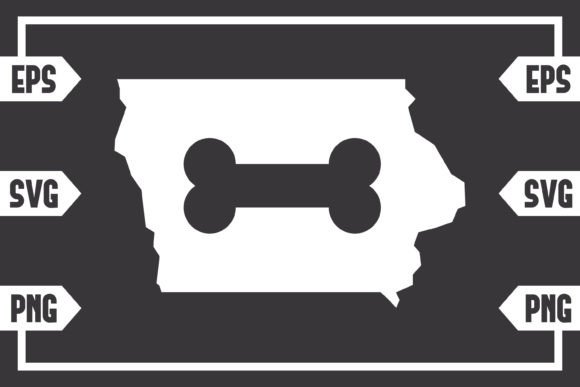
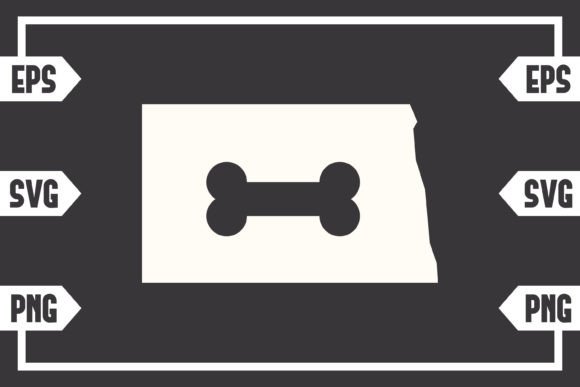
North Dakota – Dog Bone has a clean, straightforward silhouette. It maps the state outline and places a dog bone motif inside or alongside it, depending on how you interpret the layered file. The mood is playful but not overly cartoonish. It feels like a design that could work for a dog lover who also has a connection to North Dakota—maybe a local resident, a transplant, or someone who simply appreciates the region. The visual personality is friendly, casual, and a little rustic. It doesn’t try to be elegant or formal, and that honesty is a strength. It knows what it is: a fun, recognizable piece that belongs on a handmade product, not a museum wall.
As a machine embroidery design, the shape gives you a clear focal point. The state outline is recognizable, and the dog bone adds a clear layer of meaning. This is the kind of motif that works well on a tote bag design, a sweatshirt embroidery project, or an embroidered patch for a local pet shop or dog rescue event. If you run a small shop that sells personalized gifts, this design gives you a solid conversation starter.
How It Performs in Real Embroidery Projects
I tested North Dakota – Dog Bone on a medium-weight cotton sweatshirt, a structured tote bag, and a cotton-poly blend cap. The file arrived as an SVG, which means I needed to convert it to an embroidery file format before stitching. That’s a standard step for anyone using a machine embroidery setup, but worth noting if you’re used to buying ready-to-stitch embroidery file formats. The SVG itself is clean and well-proportioned, so the conversion went smoothly.
On the sweatshirt, the design stitched out with good clarity. The state outline held its shape, and the dog bone element sat inside the boundaries without crowding. I used a medium-weight cutaway stabilizer and a 60-weight bobbin thread. The stitch density felt balanced—not too heavy, not too sparse. The satin stitch sections on the bone outline came through cleanly, and the fill stitch areas covered the fabric without puckering. I would recommend testing a small sample on your base fabric first, especially if you’re using a textured or stretchy material. The design has enough detail that a loose knit or a very thin fabric could cause distortion.
On the tote bag, the design looked crisp and bold. This is where it really shines. The shape of North Dakota works naturally on a flat, stable surface. I used a heavier stabilizer and a slightly larger hoop size than I initially guessed, because the state outline has a wider footprint than a typical round or square motif. If you’re planning to put this on a cap or a curved surface, you’ll want to reduce the size slightly and check the alignment carefully. The dog bone detail can get lost in the curve if you push the scale too large.
Where to Use This Design—and Where to Be Careful
This design is a natural fit for custom apparel, especially items like hoodies, t-shirts, and aprons. It also works well on baby embroidery projects if you size it down—though I’d keep it above 3 inches in width to preserve the state outline. For a personalized gift, think about a kitchen towel, a pillow cover, or a blanket for a dog owner who lives in or loves North Dakota. The design has a handmade, approachable feel that works well for holiday embroidery gifts, birthday presents, or even as a boutique product for a small retail shop.
I’d also call out that this design works well as an embroidered patch. Because the outline is relatively simple, you can stitch it on a separate piece of fabric, cut it out, and apply it to a bag, jacket, or hat. That gives you flexibility if you want to offer patches as a standalone product in your craft business.
Where do you need to be careful? First, small hoop sizes can be tricky. If you try to fit this into a 4x4 hoop at full size, the state outline may push right to the edges. If you scale it down smaller than 3 inches, the dog bone element may lose definition. Second, dark fabric can make the interior details harder to read if you use a dark thread. I recommend using a light or medium thread color for the fill, with a contrasting outline for the bone. Third, stretchy fabric like jersey or interlock needs a firm stabilizer and possibly a temporary spray adhesive to keep the fabric from shifting during the satin stitch segments.
Visual Appeal, Product Value, and Customer Trust
From a buyer’s perspective, North Dakota – Dog Bone feels like a thoughtful, niche design. It’s not a generic heart or a stock paw print. It shows that the maker considered the recipient’s location and interests. That kind of specificity builds customer trust and makes a handmade product feel more personal. If you’re an Etsy seller or a small shop product creator, this design can help you stand out in a crowded marketplace.
The visual clarity of the design after stitching directly affects the professionalism of your finished product. When the state outline is crisp and the bone detail is readable, the item looks high-quality. That translates to better reviews, more repeat customers, and stronger brand consistency. If you’re using this design for commercial embroidery projects, it’s a solid addition to your catalog. Just make sure you check the licensing for the file before selling finished items or digital products. The download includes an SVG, so you’ll want to confirm whether you’re allowed to sell the stitched output or need to purchase additional rights.
Practical Embroidery Designer Notes
Before you stitch this design on a final product, here are a few things I always do with a new file like this:
- Test on scrap fabric first. Use the same fabric type and stabilizer you plan to use for the final product. This lets you catch any thread tension issues or stitch density problems early.
- Check thread color contrast. The dog bone element needs to stand out from the state shape. A light bone with a dark outline works well. Avoid using two similar tones that blend together.
- Review stitch density. If the design feels too dense in the fill areas, consider reducing the density slightly in your software. Too much density can cause fabric puckering, especially on lighter materials.
- Confirm hoop size. This design needs a hoop that accommodates the full state outline. A 5x7 hoop or larger is ideal. If you only have a 4x4, you may need to resize the design and check the detail retention.
- Inspect small details. The dog bone motif has some narrow sections. If you scale the design down, those areas may become too thin for a clean stitch-out. Keep the design at least 3 inches wide to preserve the shape.
- Test in black and white mockups. Before you commit to thread colors, view the design in grayscale to see if the contrast between elements works. This is especially helpful if you’re using a dark fabric.
- Compare light and dark fabric backgrounds. The design reads differently on a white shirt versus a navy hoodie. Stitch a sample on both to see how the thread colors interact with the fabric.
- Use proper stabilizer. A medium-weight cutaway stabilizer is a safe starting point. For stretchy fabrics, use a tear-away or a heavier cutaway, depending on the fiber content.
- Confirm licensing. The download includes one SVG file for use with Cricut Explore, Silhouette Designer Edition, Adobe Suite, Inkscape, and Core. If you plan to sell finished items or digital products, verify the license terms for commercial embroidery use. This is a step many makers skip, but it protects your craft business.
How This Design Fits Into a Real Business Scenario
Let me give you a concrete example. A customer came to me asking for a custom embroidered tote bag as a gift for a friend who had just adopted a rescue dog in North Dakota. She wanted something that showed both the state and the dog theme, but not something overly sentimental. I used North Dakota – Dog Bone on a natural canvas tote with a brown thread for the outline and a cream thread for the bone fill. The design sat about 4 inches wide, centered on the front panel. The result was clean, understated, and meaningful. The customer loved it, and she ordered two more for other friends.
That scenario is exactly where this design works best. It’s not a mass-market graphic. It’s a targeted, meaningful piece that connects a location with a personal interest. If you’re a creative entrepreneur or a hobbyist who makes personalized gifts for a local audience, this design gives you a strong option. It also works well for printable mockups if you sell design assets or digital embroidery file bundles. The SVG format makes it easy to preview before stitching.
Final Thoughts on Practical Use
I’ve reviewed a lot of machine embroidery designs over the years, and North Dakota – Dog Bone is a solid, usable piece for anyone who creates handmade products with a local or pet-focused angle. It’s not the most intricate design I’ve ever stitched, but that’s part of its charm. It’s clean, readable, and easy to incorporate into a variety of products. The key is to test it on your specific fabric, use the right stabilizer, and size it appropriately for your hoop. If you do those things, you’ll end up with a finished product that looks professional and resonates with the right customer.
For anyone running a small shop product line, adding this to your offering could be a smart move. It’s a niche design that fills a real gap—state-themed dog motifs are surprisingly hard to find in a clean, stitchable format. Whether you’re making an embroidered patch, a sweatshirt embroidery piece, or a tote bag design, this file gives you a reliable starting point. Just remember to check the details before you stitch, and always test first. That’s the difference between a product that looks “okay” and one that builds your reputation.