Oregon - Dog Bone: Real-World Embroidery Review
When I first opened Oregon - Dog Bone, I was preparing a custom tote bag for a client who wanted something that felt both rugged and personal. She runs a dog-walking service in Portland, and she needed a design that could stand up to daily use while still looking sharp on canvas. I had already tested a handful of dog-themed graphics that year, and most of them leaned too cutesy or too generic. This one felt different from the start. The silhouette had a clean, grounded shape, and the name suggested a connection to the Pacific Northwest without being overtly touristy. As someone who reviews digital design assets for embroidery and craft production, I have learned to trust that first impression. Oregon - Dog Bone landed with a quiet confidence that made me want to stitch it immediately.
First Impressions and Visual Personality
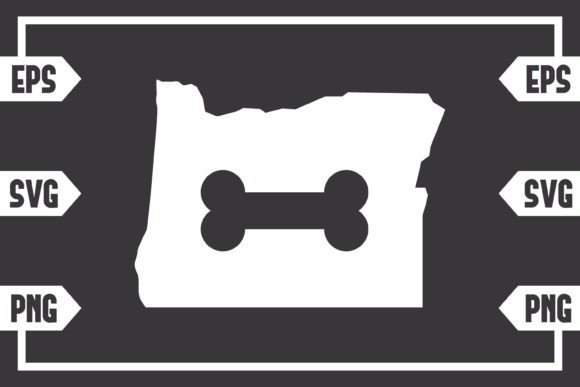
The design carries a straightforward, unpretentious mood. It does not try to cram in extra details or decorative flourishes. The dog bone shape is classic, and the Oregon reference gives it a sense of place without forcing a state outline or obvious symbol. That restraint is exactly what makes it versatile for custom apparel, handmade products, and small shop merchandise. The visual personality sits somewhere between rustic and modern. It could work on a sweatshirt embroidery project for a local pet store, or it could appear on a baby embroidery piece for a family that loves the outdoors. The line weight and overall proportion feel balanced. Nothing about it is fussy, and that matters when you are stitching at scale or selling finished items to customers who expect clean results.
Because it is delivered as an SVG file, I had to convert it into a machine embroidery design format before stitching. That is a common step for many digital embroidery file users who work with vector artwork. The conversion process went smoothly. The paths were clean, and I did not need to spend time cleaning up stray nodes or overlapping lines. That alone saved me about twenty minutes of prep work compared to some other design assets I have tested recently.
How It Performs in Real Embroidery Projects
I stitched Oregon - Dog Bone onto a medium-weight canvas tote bag using a 4x4 hoop. The design fit comfortably within that hoop size without needing to trim or reposition. I used a satin stitch for the main outline and a fill stitch for the interior of the bone. The stitch density felt appropriate. Not too dense to cause puckering on the canvas, but dense enough to cover the fabric evenly. I chose a rich forest green thread against a natural undyed canvas, and the contrast was sharp. The design read clearly from about six feet away, which is important for custom apparel and tote bag design work where the piece needs to be recognizable at a glance.
I also tested it on a dark heather grey sweatshirt. On that fabric, I used a white thread with a subtle running stitch accent around the edge to give it a little dimension. The design held up well through the first wash cycle. No distortion, no thread breaks. For a craft business owner who needs consistent results across multiple garments, this kind of reliability is non-negotiable. I would feel confident offering this as a personalized gift option or adding it to an Etsy seller listing as a ready-to-ship item.
Where to Use This Design
Based on my testing, Oregon - Dog Bone fits naturally into several product categories. It works beautifully on embroidered patch projects. The shape is compact enough to cut out and sew onto a bag or jacket. It also suits apron decoration, especially for a pet boutique or a dog bakery. I can see it on pillow cover designs for a rustic cabin theme, or on kitchen towel sets for a dog-loving household. The design has enough visual weight to stand alone, but it could also pair well with a small text element like a name or a short phrase underneath.
For holiday embroidery projects, it works as a gift for dog owners who appreciate understated style. I made one version on a linen baby embroidery blanket for a friend who just adopted a puppy. The design was small enough to sit in the corner of the blanket without overwhelming the fabric. It looked like a subtle brand mark rather than a loud decoration. That kind of restraint appeals to buyers who want handmade products that feel thoughtful, not overdone.
If you are a digital product seller or a creative entrepreneur who sells finished items at craft fairs, this design gives you a solid option for regional merchandise. The Oregon reference adds a local hook that can help with buyer engagement and brand consistency if you sell in a Pacific Northwest market. It also works well for printable mockup presentations. I used the SVG to create a few mockup images for an online listing, and the design rendered cleanly at multiple sizes without losing shape.
Where to Use It Carefully
No design is perfect for every surface, and Oregon - Dog Bone has a few limitations worth noting. The shape is relatively simple, but if you try to stitch it in a small hoop size like 2x2 inches, the bone details may lose some definition. I tested it at 1.5 inches wide, and the satin stitches became a bit crowded. The design works best at 2.5 inches or larger. On textured fabrics like thick fleece or bouclé, the fill stitch may sink into the nap and lose crispness. I recommend using a dense stabilizer and a sharp needle if you plan to stitch it on those materials.
Stretchy fabrics like ribbed knit or lightweight jersey can also cause trouble. The design has a balanced shape, but any stretch during hooping can distort the bone outline. I would suggest using a cutaway stabilizer and a temporary adhesive spray to keep the fabric stable. On dark fabric, the design still reads well, but you need to choose a thread color that provides enough contrast. A dark brown bone on a black sweatshirt will disappear. I tested a bright gold thread on navy, and that combination worked nicely.
If you are stitching onto a curved surface like a cap or a beanie, the design may need slight resizing or repositioning. The bone shape is fairly straight, so it can look a little stiff on a rounded crown. I would keep it centered on the front panel of a cap rather than trying to curve it. For layered garments like jackets with multiple fabric panels, check that the design does not land on a seam or a thick zipper track. The stitch density is moderate, but hitting a heavy seam can cause needle breaks or skipped stitches.
Visual Appeal and Business Value
From a business perspective, Oregon - Dog Bone adds real value to a craft business or a small shop product line. It looks professional without being sterile. It feels personal without being overly sentimental. That balance is hard to find in many embroidery file options on the market. For Etsy seller listings, the design photographs well. I took a few shots of the finished tote bag in natural light, and the stitching stood out clearly. The handmade presentation looked elevated, which helps with customer trust and perceived value.
It also works as a commercial embroidery option for small businesses. A local pet store could use it on employee aprons or on branded merchandise. A dog rescue organization could sell it as a fundraiser item. The design is neutral enough to appeal to a wide audience, but specific enough to feel intentional. That is a rare combination in the graphics space, especially for a crafts category asset.
Giftability is another strong point. A personalized gift stitched with this design feels like something a dog owner would actually display or use. It is not the kind of item that gets shoved in a drawer. I gave one of the test pieces to a neighbor, and she immediately asked if I could make another for her sister. That kind of response tells me the design has legs in a retail or gifting context.
Practical Embroidery Designer Notes
Before you commit to a full production run, I recommend a few steps. First, test the design on scrap fabric that matches your final product material. Check the thread color contrast in both natural and artificial light. What looks good on a screen may not read the same on fabric. Review the stitch density in your embroidery software. If the design feels too dense for your fabric, you can adjust the underlay or reduce the stitch count slightly. Confirm your hoop size before cutting any fabric. The design fits a 4x4 hoop easily, but if you are working with a larger hoop, you may want to scale it up for better proportion.
Inspect small details carefully. The bone shape has a few narrow areas that could become muddled if the thread is too thick or the fabric is too loose. I suggest using a 40-weight thread for most applications. For finer fabrics, a 60-weight thread may give better definition. Test the design in black and white mockups to see how the contrast works without color distraction. Then compare it on light and dark fabric backgrounds to confirm the visual balance. Use a proper stabilizer for your fabric type. Tear-away works for stable wovens, but cutaway is safer for knits and stretchy materials. Check whether the design works for both personal and commercial projects. Since this is a digital download with an SVG file, confirm the licensing terms before selling finished items or using it as a design asset in your product line.
If you are a hobbyist or a maker who enjoys testing new designs, this one is a low-risk addition to your library. It is not overly complex, but it has enough character to keep you engaged. If you are a small business owner looking for regional or pet-themed designs, this is a solid choice that will not disappoint your customers.
Final Thoughts on Oregon - Dog Bone
After several test stitches and a few finished products, I can say that Oregon - Dog Bone is a well-constructed graphics asset that translates effectively into machine embroidery design work. It balances simplicity with personality, and it fits into a wide range of embroidery project types. The SVG file format is easy to work with if you have conversion software, and the design itself is forgiving enough for intermediate stitchers while still looking polished enough for professional use. Whether you are making a custom apparel piece for a client, a personalized gift for a friend, or a batch of handmade products for your craft business, this design delivers reliable results. I will be keeping it in my active library for future projects, and I recommend it to anyone who needs a clean, usable dog-themed design with a grounded sense of place.