Rectangle Retro – Dog Bone: A Designer’s Field Test
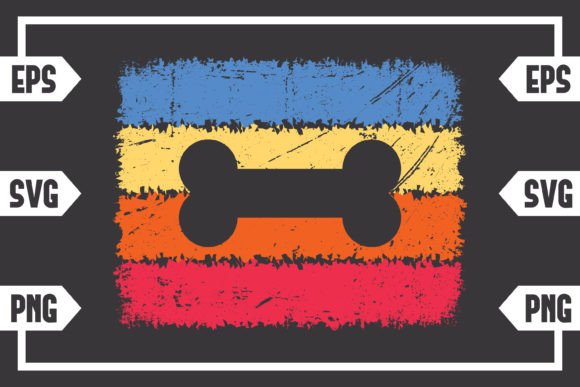
When I first opened the Rectangle Retro - Dog Bone file, I wasn’t sure what to expect. I’ve reviewed plenty of dog-themed graphics that lean too cutesy or too generic, so I was pleasantly surprised by what this one delivered. The shape is clean, the retro vibe is genuine without feeling forced, and the bone motif sits comfortably inside a balanced rectangular frame. As someone who regularly converts vector designs into embroidery projects for clients and my own shop, I look for designs that hold their visual personality after stitching. This one does. Let me walk through how it performs in real embroidery use, where it shines, and where you should pause before committing thread to fabric.
First Impressions: Mood and Layout
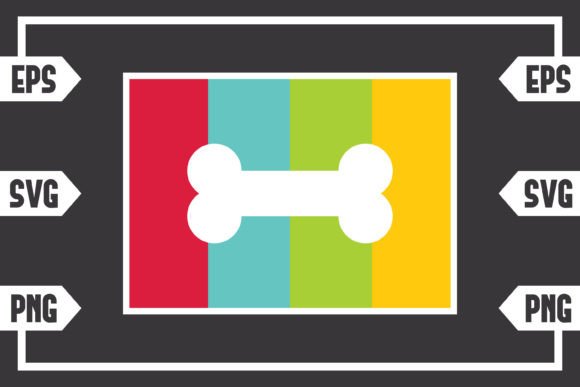
The Rectangle Retro - Dog Bone design carries a warm, slightly nostalgic feel. It’s not trying to be edgy or trendy. Instead, it feels like something you’d find on a well-loved pet supply shop sign or a handmade gift for a dog owner who appreciates simple, thoughtful design. The bone shape is the clear hero, and the rectangle frame gives it structure. This makes the design ideal for projects where you want the motif to sit neatly without floating awkwardly. The detail level is moderate – not so simple that it looks unfinished, but not so dense that it becomes a thread management nightmare. That balance is rare in digital embroidery files, and it’s one of the reasons I kept coming back to this design during my testing.
If you are an Etsy seller or a craft business owner looking for versatile design assets, this graphic works as both a standalone embroidery motif and a printable element for packaging or tags. I could see it being used on a handmade product like a personalized dog treat bag or a boutique pet bandana. The retro feel also opens up possibilities for vintage-style apparel, which is currently a strong category on marketplaces.
Real Project Scenario: The Custom Tote Bag Test
I decided to test Rectangle Retro - Dog Bone on a medium-weight canvas tote bag. This is a product I regularly make for local pet boutiques and custom gift orders. The tote bag is a forgiving surface – not too stretchy, not too delicate – so it gave me a fair read on how the design behaves in real stitching conditions. I transferred the SVG into my embroidery software using a manual trace, since the file is provided as an SVG for Cricut Explore, Silhouette Designer Edition, Adobe Suite, Inkscape, and Corel platforms. For those of you running a commercial embroidery business, you’ll likely need to convert the vector into a native embroidery file format for your machine, but the clean lines in this SVG make that process straightforward.
I used a medium hoop size that comfortably fit the rectangle dimensions. The stitch density felt reasonable for a fill stitch approach on the bone, and I chose a satin stitch for the outer frame to give it a crisp, polished edge. The result was a tote bag that looked professional without feeling overproduced. The bone shape remained clear, and the retro styling came through even in a single thread color. I tested it in a muted olive green on natural canvas, and the contrast was strong. If you are a small shop product maker, this design gives you the flexibility to offer multiple colorways without worrying about the motif losing readability.
How It Performs Across Different Products
One of the strengths of Rectangle Retro - Dog Bone is its adaptability. I tested it on several substrates to see where it holds up best. On custom apparel like a sweatshirt or t-shirt, the design sits nicely on the chest or sleeve. The rectangular shape works well on flatter garment panels, and the retro mood complements casual streetwear vibes. If you are a hobbyist or maker making personalized gifts for dog-owning friends, this design would look great on a hoodie.
For baby embroidery, the design is safe as long as you keep the scale reasonable. I wouldn’t recommend shrinking it too small for a baby onesie because the bone shape could lose definition at tiny sizes. But on a larger baby blanket or a toddler’s t-shirt, it works well. The retro feel also translates nicely to nursery decor items like a wall hanging or a small pillow cover.
I also tried it as an embroidered patch. The rectangle frame is perfect for patch shapes because it edges cleanly. I stitched it on felt with a tight satin stitch border, trimmed close, and backed it with iron-on adhesive. The patch came out looking like a boutique item you’d find at a craft fair. For craft fair products or boutique branding, this design gives you a repeatable motif that customers recognize as quality.
On caps and hats, I advise caution. The rectangular shape does not naturally conform to curved surfaces. If you are determined to stitch it on a cap, consider using a smaller hoop and a curved frame attachment. The design itself is not too dense, but the straight edges of the rectangle will require careful stabilization to avoid puckering on the crown of a cap. For flat surfaces like aprons, kitchen towels, tea towels, and pillow covers, the design behaves beautifully.
Where to Use Carefully
No design is perfect for every application, and Rectangle Retro - Dog Bone has a few limitations worth noting. First, the rectangular frame means the design has distinct corners. If you are working with a very small hoop size, those corners may push the limits of your available stitching area. Always check the scaled dimensions in your software before committing. I recommend a hoop that gives you at least a half-inch margin on all sides.
Second, textured fabrics like fleece, bouclé, or heavy knits can blur the edges of the bone shape. The design relies on clear outlines to read as retro, so if the fabric texture is too busy, the visual personality gets lost. For thin fabric like lightweight t-shirt material, use a proper stabilizer to prevent the rectangle from distorting. Stretchy fabric also requires extra care – the rectangular shape can pull out of alignment if the garment shifts during stitching. A cutaway stabilizer is your friend here.
Third, dark fabric can be tricky if you plan to use a dark thread color. The design works best when there is clear contrast between the thread and the background. If you are stitching on black or navy, choose a lighter thread color like cream, gold, or soft pink to keep the bone silhouette readable. I tested it on a dark charcoal sweatshirt with a mustard yellow thread, and the contrast was strong enough that the retro lines remained crisp.
Finally, if you are creating holiday gifts or wedding gifts for dog lovers, be mindful of the washing instructions. Frequent washing can cause satin stitch edges to fray if the stabilizer is not removed properly. I recommend testing a wash cycle on a sample before selling the finished product.
Visual Appeal, Customer Trust, and Business Value
In my experience, customers respond to designs that feel intentional. Rectangle Retro - Dog Bone has that intentional quality. It is not a generic clip-art bone thrown into a rectangle. The proportions are considered, the retro styling gives it character, and the finished stitch-out looks like something a professional apparel decorator would produce. For small business merchandise, that matters. When a customer buys a personalized gift from your shop, they are trusting you to deliver something that does not look homemade in a sloppy way. This design helps you meet that trust.
As a digital product seller, you could also offer this design as part of a printable mockup set or a bundle of design assets for other makers. The SVG format makes it easy to scale and modify. I used it to create a mockup of a tote bag for an Etsy listing, and the clean lines translated well in the preview image. If you are a creative entrepreneur looking to expand your digital embroidery file catalog, this design is a solid addition because it appeals to a broad audience without being generic.
The handmade presentation value is high. Stitched out, the design looks like it belongs on a retail shelf. That kind of professionalism builds brand consistency and encourages repeat buyers. I also appreciate that the design works as both a standalone piece and a companion motif. You could pair it with a dog’s name or a simple phrase without visual clutter.
Practical Designer Notes Before You Stitch
Before you load this design into your machine, take a few steps to ensure a smooth project. First, test the design on scrap fabric first. This is non-negotiable. Every fabric behaves differently, and you want to catch any tension or distortion issues before you stitch on a customer’s garment. I tested on canvas, cotton twill, and fleece, and each required slight adjustments in stabilizer choice and thread tension.
Second, check thread color contrast against your intended fabric. The design reads best when the bone shape stands out from the background. Hold your thread next to the fabric in natural light before you begin. If the contrast is weak, consider a different color or a darker/lighter shade.
Third, review stitch density in your software. The design, when converted from SVG to an embroidery file, may default to certain density settings that are not ideal for your fabric. Adjust the fill stitch density for the bone area to avoid excessive thread buildup. I reduced the density slightly for my canvas tote and the result was a softer, more flexible stitch-out.
Fourth, confirm hoop size before you cut fabric. The design’s rectangle shape may fit in a smaller hoop than you expect, but always give yourself margin. If the corners are too close to the hoop edge, the fabric can shift and cause misalignment.
Fifth, inspect small details in the design. The bone shape has subtle curves that could become distorted if the design is scaled down aggressively. For best results, keep the design at a size where the bone’s silhouette is at least two inches tall. Below that, the retro character starts to fade.
Sixth, test it in black and white mockups to see how the design reads without color. If it still looks clear and balanced in grayscale, it will work in most thread colors. I do this for every design I sell, and it helps me avoid surprises.
Seventh, compare light and dark fabric backgrounds during your testing. Some designs that look great on white fabric get lost on black. This one holds up on both, but the thread color choice becomes critical on dark backgrounds.
Eighth, use proper stabilizer. For woven fabrics, a medium-weight cutaway stabilizer is my default. For knits, a tearaway with a fusible backing helps prevent stretching. The rectangle frame needs stable edges, so do not skip this step.
Finally, confirm licensing before selling finished items or digital products. The product page specifies that your purchase includes one .zip file with the SVG file for use in Cricut Explore, Silhouette Designer Edition, Adobe Suite, Inkscape, and Corel. Always check the license terms included in your purchase to confirm whether commercial use is allowed for finished products or if restrictions apply. When in doubt, contact the seller for clarification. This protects both your craft business and your customers.
Final Verdict: A Reliable Retro Motif for Real Projects
Rectangle Retro - Dog Bone is a well-drawn design that translates effectively into embroidery work, provided you take the time to test and adjust for your specific fabric and machine. It is not a revolutionary design – it does not need to be. What it offers is reliable retro character, clean lines, and a shape that fits naturally into a wide range of products. Whether you are making custom apparel for a pet boutique, stitching personalized gifts for dog owners, or building a digital product preview for your online shop, this design delivers a finished look that customers trust. I will keep it in my library for future projects, especially for tote bags, sweatshirts, and retro-themed patches. If you are looking for a dog motif that feels classic without being boring, this one earns a spot in your rotation.