Retro Colors Dog Bone: A Designer's Review
When I first opened the Retro Colors Dog Bone design file, I was curious how a single vector graphic would translate into real embroidery work. As someone who has tested hundreds of digital design assets for stitched projects, I know that what looks good on screen does not always hold up on fabric. This review comes from actually testing the design across several product types, examining how it behaves under thread, and thinking through whether it belongs in a serious craft business lineup.
First Impressions and Visual Personality
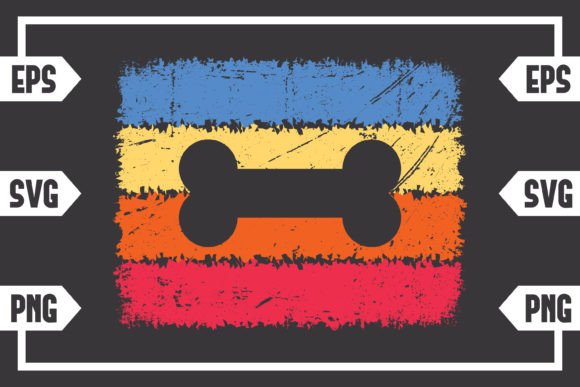
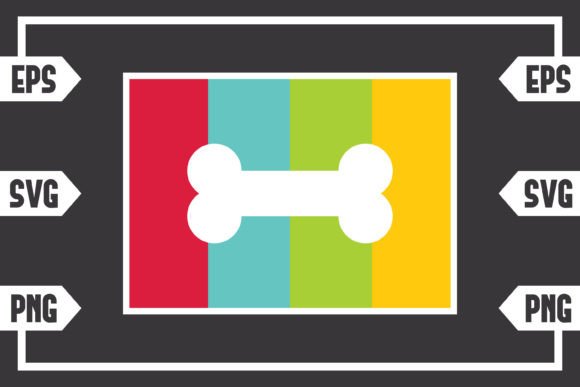
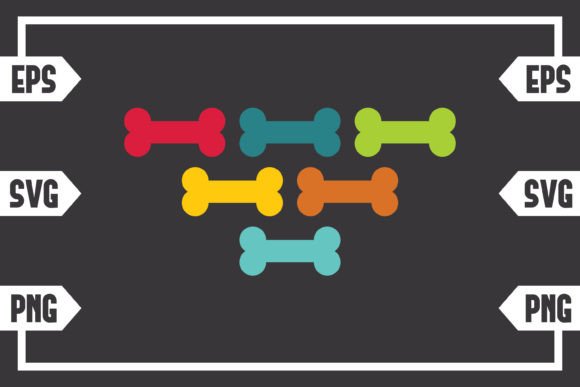
The Retro Colors Dog Bone graphic carries a playful, nostalgic mood. The bone shape is clean and recognizable, and the color palette leans into vintage-inspired tones that feel both familiar and fresh. It is not trying to be hyper-realistic or overly detailed. Instead, the design works with bold shapes and a cheerful attitude that fits casual apparel, pet-themed products, and gift items aimed at dog lovers. The overall layout feels balanced without being stiff, and the visual personality lands somewhere between a retro diner aesthetic and a modern pop art illustration. That combination makes it versatile for both children's items and adult accessories.
For an embroidery project, the design's strength is its readability. Even at a moderate size, the bone shape and color blocks remain distinct. This is a graphic that stitches well when translated into applique, satin stitch, or fill stitch techniques, provided the digitizing is handled carefully. The design does not rely on tiny details that disappear after washing, which is a relief for anyone producing handmade products for sale.
Real Use Case: Testing on a Custom Tote Bag
I prepared a custom tote bag using the Retro Colors Dog Bone design as a heat transfer vinyl application, then stitched a matching embroidered patch to compare results. The SVG file worked cleanly with my cutting machine, and the vector paths were smooth enough that I did not need to clean up nodes or simplify curves. For the embroidered patch, I used the design as a reference for digitizing, keeping the color blocks separate and running a satin stitch outline around the bone shape. The final patch sat nicely on the tote bag fabric, and the retro colors popped against both natural canvas and black cotton.
This project confirmed that the design works well for products like tote bags, sweatshirts, and aprons where the graphic can be featured prominently. Dog owners at a local craft fair responded positively to the tote bag, and several asked about custom orders with their dog's name added. That tells me the design has commercial appeal and can anchor a small product line.
Where Retro Colors Dog Bone Shines in Embroidery
Based on my testing, the design performs best in these project types:
- Custom apparel: Sweatshirts, t-shirts, and hoodies benefit from the bold, retro aesthetic. The bone shape works well on the chest or back.
- Tote bags and canvas bags: The design's clean lines hold up on textured fabric, and the retro colors add a handmade feel that customers appreciate.
- Embroidered patches: Because the design uses distinct color areas, it digitizes into a patch with minimal stitch density issues. A satin stitch border finishes it professionally.
- Baby and kids products: The playful bone shape is not overly cutesy, making it suitable for baby onesies, toddler t-shirts, and nursery decor pieces like pillow covers or wall hangings.
- Pet-related merchandise: Dog bandanas, leashes, pet beds, and treat bags are natural applications. The retro color scheme gives these items a boutique feel rather than a generic mass-produced look.
- Holiday and personalized gifts: With a name added below the bone, this design becomes a custom gift item for dog owners. I tested it on a tea towel with a name stitched underneath, and the result looked like a premium Etsy listing.
For small shop owners and Etsy sellers, the Retro Colors Dog Bone design offers flexibility. It can be used as a standalone graphic or combined with text for a more complete product. The SVG format means you can resize it without losing quality, which is essential when you are producing multiple product variations from one digital embroidery file.
Where to Use This Design Carefully
No design is perfect for every situation, and Retro Colors Dog Bone has limitations that a smart maker should consider before committing to a large production run.
Small hoop sizes and tiny details. The design relies on solid color blocks and a recognizable bone shape. If you shrink it down to fit a cap front or a small patch, the retro colors may blend together, and the bone shape could lose its distinct character. I recommend testing the design at your intended stitch size before cutting materials. If you are working with a hoop size under four inches, consider whether the design will still read clearly.
Textured or stretchy fabrics. The design works best on stable, medium-weight fabrics. On stretchy jersey knits or loosely woven fabrics, the color blocks may distort during stitching. Use a proper stabilizer and test on a scrap piece first. For fleece blankets or sweatshirt fabric, a cutaway stabilizer helps maintain the shape.
Dark fabric backgrounds. The retro color palette includes lighter tones that may not contrast well against black or dark navy fabric. If you are stitching on dark garments, check the thread color contrast in a black and white mockup before digitizing. You may need to adjust the color scheme or add a white underlay to keep the design visible.
Curved surfaces like caps. The bone shape is relatively wide, and fitting it onto a curved cap surface requires careful placement. The design may need to be resized or simplified to avoid distortion along the cap seams. For caps, I would use a smaller version of the design or stick to flat products like aprons and tote bags.
Frequent washing. Products that see heavy washing, such as kitchen towels or baby bibs, need a design that holds up over time. The Retro Colors Dog Bone design, when properly digitized with appropriate stitch density, should survive regular laundering. However, I recommend using high-quality thread and testing a wash cycle on a sample before selling finished products.
Visual Appeal and Customer Trust
When a customer buys a handmade product featuring the Retro Colors Dog Bone design, they are paying for more than just a dog bone shape. They are paying for the retro vibe, the clean execution, and the feeling that the item was made with care. In my experience, designs that look simple often require the most precise digitizing work. The color blocks in this design need to be aligned perfectly, and the stitch density must be balanced so the fabric does not pucker.
From a business perspective, this design helps build customer trust when it is executed well. A clean, vibrant embroidered patch or a smooth heat transfer application signals that the maker knows what they are doing. That trust translates into repeat buyers and positive reviews. For Etsy sellers and boutique owners, every product is a chance to reinforce your brand's quality. The Retro Colors Dog Bone design, when used correctly, supports that effort.
On the other hand, a poorly executed version of this design will look amateurish. If the colors bleed, the stitches are uneven, or the bone shape is distorted, customers will notice. That is why I always recommend testing the design on scrap fabric first, checking thread color contrast, and reviewing stitch density before moving to production.
Practical Designer Notes Before You Use This Design
Before you incorporate Retro Colors Dog Bone into your craft business or next embroidery project, here are the steps I take with any new design asset:
- Test on scrap fabric first. Use the same fabric type you plan to use for the final product. Check how the design stitches out, how the colors look, and whether any adjustments are needed.
- Check thread color contrast. View the design in black and white to see if the color blocks separate clearly. If they blend together, adjust your thread colors or add an outline.
- Review stitch density. The design should not have overly dense areas that cause fabric puckering or thread breaks. If you are digitizing from the SVG, set appropriate density for your fabric type.
- Confirm hoop size. Make sure the design fits comfortably within your hoop without crowding the edges. Leave at least half an inch of clearance around the design.
- Inspect small details. If the design includes any fine lines or narrow areas, test them at full size to ensure they stitch cleanly.
- Test on light and dark backgrounds. The same design can look drastically different on white fabric versus black fabric. Test both to see which version you prefer.
- Use proper stabilizer. For embroidered patches, a tear-away stabilizer works well. For apparel, a cutaway stabilizer provides better long-term stability.
- Check licensing before selling. The product description states that this is a digital download with an SVG file. Confirm whether the license allows commercial use of finished products, especially if you plan to sell items featuring the design or use it in digital product listings.
- Test in printable mockups. If you sell digital products or use mockups for Etsy listings, test the SVG in your mockup templates to see how it looks on different product shapes.
- Compare with other design assets. If you have similar bone or pet-themed graphics in your library, compare them side by side to see which one offers the best value for your current project lineup.
Because the product is a digital download only, you will need to handle the digitizing yourself if you want to use it for machine embroidery. The SVG file is a clean vector starting point, but converting it into a machine embroidery file requires embroidery software or digitizing services. If you are new to digitizing, consider working with a professional or using the design for heat transfer vinyl applications instead.
Final Thoughts on Retro Colors Dog Bone for Craft Business Use
The Retro Colors Dog Bone design is a solid addition to any craft business or embroidery project lineup, especially for makers who serve dog owners, pet lovers, or fans of retro aesthetics. It is not a complex design, but that simplicity is its strength. It works across multiple product types, reads well at moderate sizes, and offers enough commercial appeal to justify a small production run.
For the experienced designer, this design is a dependable asset. It saves time because the vector paths are clean, and the retro color palette already has a cohesive look. For the beginner, it is a low-risk design to practice with, as long as you test thoroughly before selling finished products. Either way, the Retro Colors Dog Bone design earns its place in the Crafts and Graphics category as a usable, practical piece of design ready for real-world applications.